


Introduction-Fuel Efficiency Comparison
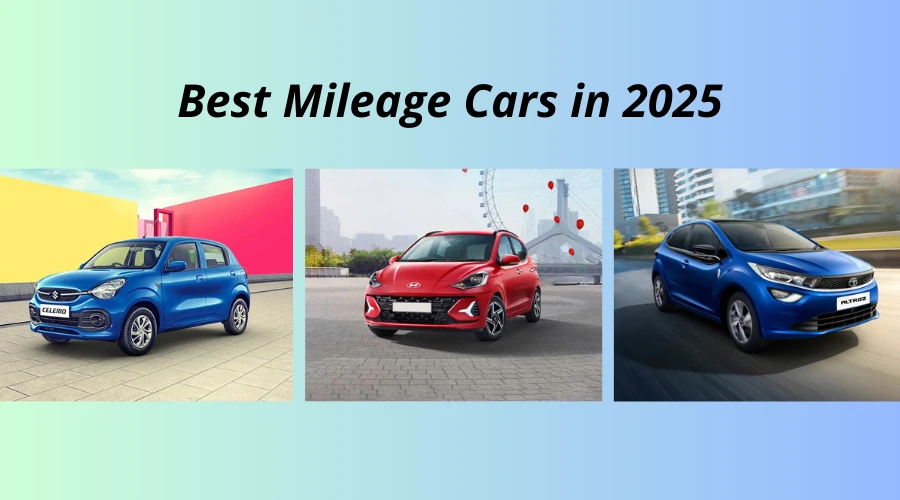
Fuel Efficiency Comparison-In India today, fuel efficiency is rarely just a “nice to have” — for many car buyers it is central to the purchase decision. With fluctuating fuel prices, more awareness of running costs, and urban traffic conditions increasingly challenging, the question “Which car gives the best mileage?” is more relevant than ever.
In 2025, the landscape is evolving: new models claim higher kmpl/km-kg figures, hybrid technologies and mild hybrids are entering the mainstream, and regulations (fuel blends like E20) are changing the efficiency game. But with more claims comes more confusion: Are the ARAI-certified numbers realistic? Do city drives really deliver the claimed mileage? How should you compare petrol vs CNG vs hybrid vs diesel? Which car segment delivers the best fuel efficiency for your budget and usage?
In this detailed guide we’ll walk through how to understand fuel efficiency in Indian context, look at the top very fuel-efficient cars in India in 2025 by fuel type and segment, dive into real-world cases comparing claimed vs actual mileage, and finally help you choose the most fuel-efficient car that fits you. By the end, you’ll have a clearer idea not just of “best kmpl cars India 2025” but of how to make sense of the numbers and pick smart.
Understanding Fuel Efficiency in Indian Conditions
How fuel efficiency is measured: ARAI vs real-world driving
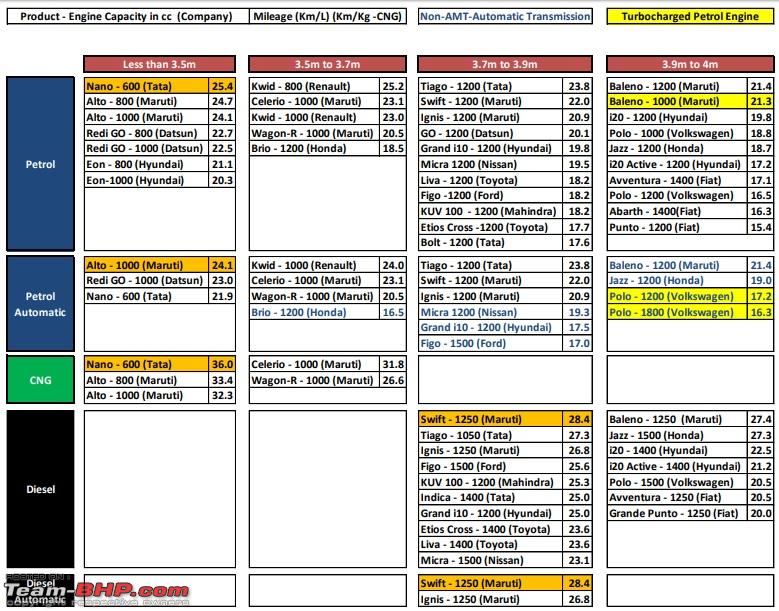
In India, official mileage figures for cars are typically provided by the Automotive Research Association of India (ARAI) under standardised test conditions. These numbers are useful for comparison, but core limitations apply — real-world driving (city traffic, stop-start, loaded car, AC on, highway mix) often yields 15-30 % lower numbers. For example, one blog notes that a car with a claimed ~26.68 kmpl might deliver ~21 kmpl in real use. Garware Hi-Tech Films+2GoMechanic+2
So when you look at mileage charts and say “this car does 27 kmpl” you must ask: Under what conditions? Manual/auto? City/highway? Load? AC on/off?
Get Some Information about SUV & Sedan reviews 2025
Impact of fuel types (petrol, diesel, CNG, hybrid) on mileage figures
Fuel type plays a major role in mileage comparisons:
- Petrol cars generally achieve lower kmpl than equivalent diesel or CNG cars under similar conditions. But they often cost less and are more convenient for city use.
- Diesel cars shine when the usage is high-km, especially on highways — but they come at higher maintenance/initial cost, and for many urban users the fuel savings may not offset the extra.
- CNG cars (kilometres per kg) offer very good cost per km, especially for city commuters, but depend on infrastructure (station access) and may have compromise in boot space.
- Hybrid/mild-hybrid cars merge petrol engine and electric assist; they often deliver higher efficiency especially in urban stop-start traffic. Many 2025 lists show hybrids achieving ~25-30 kmpl. CarDekho+1
When comparing fuel efficiency across cars, ensure you compare like-for-like (fuel type, transmission, MG/variant) otherwise apples vs oranges.
Key factors affecting fuel efficiency in India
Several external and usage factors affect real fuel efficiency:
- Traffic & driving style: Heavy stop-start traffic reduces efficiency, especially for bigger/heavier cars.
- Distance travelled / type of roads: Highway cruising is more efficient than city driving.
- AC use and climate: In hot Indian summers AC is on — this drains fuel.
- Load & extra features: More passengers/luggage → more fuel consumption.
- Tyre pressure, maintenance, alignment: Poor maintenance reduces efficiency.
- Fuel quality / blend: With evolving norms (E20 fuel etc) mileage may shift. Reuters+1
Why claimed numbers often differ from real world
Manufacturers quote best-case figures (lab tests, lightweight load, specific speeds). Real conditions vary: uphill gradients, heavier loads, wrong tyre pressure, AC on, traffic jam, auto transmission — all erode efficiency. For example, one article suggests real world mileage is often “15-25% lower” than ARAI claims. Garware Hi-Tech Films+1
The takeaway: Use manufacturer numbers as a benchmark, but expect real numbers to be lower. As a buyer, aim for a buffer — choose a car that’s rated higher than what you need, so that in real usage you are comfortable.


6
Trends in India 2025: What’s Changing in Fuel Efficiency
Recent data on most fuel-efficient cars (2025)
According to several 2025 reports:
- The Maruti Suzuki Celerio remains among top in small petrol/CNG category with ~27 kmpl claimed. GoMechanic+1
- Hybrids like the Toyota Urban Cruiser Hyryder and Maruti Suzuki Grand Vitara are posting ~27-28 kmpl claimed for larger SUV class. CarDekho+1
- Newer lists by CarDekho show “Top 10 most fuel efficient mass-market cars” in India published April 2025. CarDekho
These data show that even in heavier/more feature-rich vehicles, efficiency is improving — largely thanks to hybrid tech, engine optimisation, lighter materials and better aerodynamics.
Impact of new regulations, fuel blends & tech on efficiency
Regulations and fuel changes are influencing mileage:
- The rollout of E20 ethanol-blended fuel in India means older vehicles may see slight drop in efficiency (as noted by automaker quotes). Reuters+1
- Upcoming tighter emissions/fuel efficiency norms (e.g., CAFE) are pushing automakers to invest in mild-hybrids, better engines.
- Hybrid and mild-hybrid tech is expanding in India — shifting the “most efficient” lists toward more premium models.
- Materials, aerodynamics and small-engine turbo down-sizing are bringing improvements even in petrol cars.
Role of hybrids and mild-hybrids in improving efficiency
Hybrids are no longer niche in India — they are effective for everyday usage:
- Urban stop-start traffic suits hybrid systems which can run electric assist or switch off engine.
- Many hybrid models now claim ~25-30 kmpl, which is comparable to many petrol cars but with better real-world consistency.
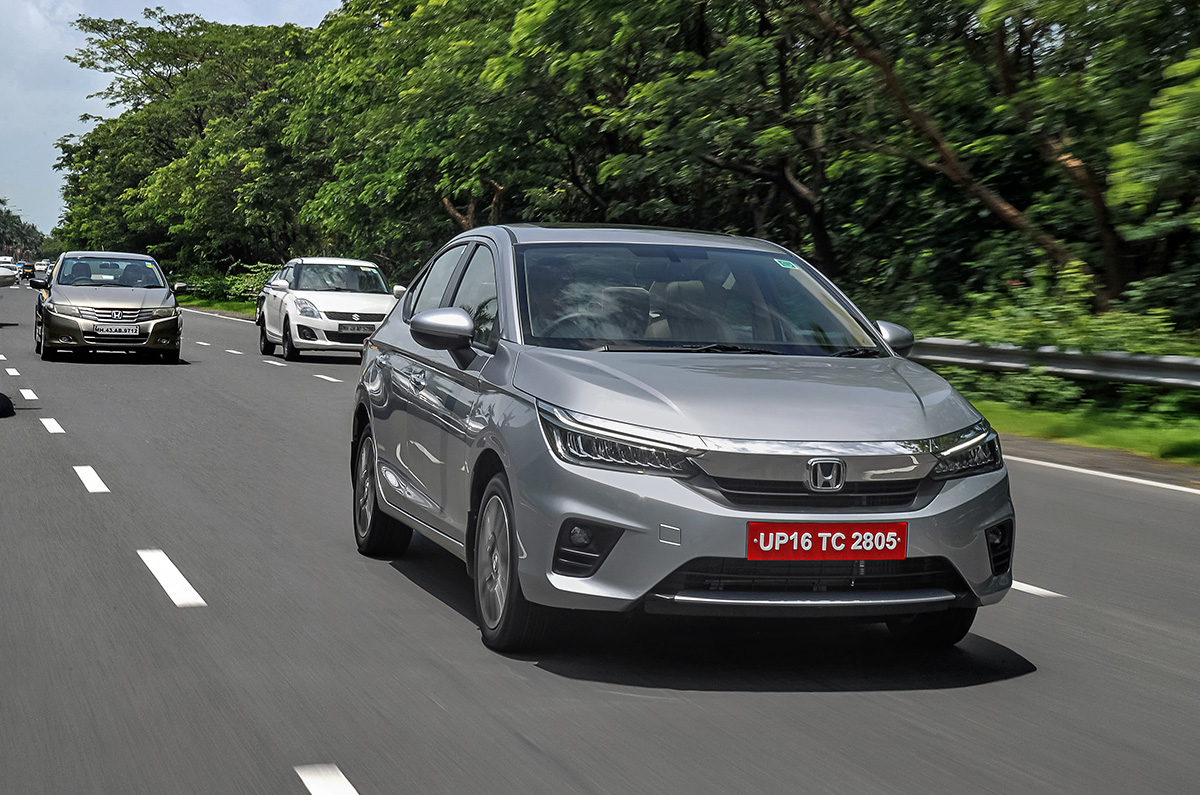
- Case in point: Honda City Hybrid claims ~26.5 kmpl. CarDekho
For buyers who do both city + moderate highway drives, hybrids may deliver best fuel efficiency without major compromise.
Segment-wise shift: hatchbacks → sedans → SUVs
Historically, small hatchbacks dominated “most efficient” lists. In 2025 we see:
- Smaller hatchbacks and CNG still lead for pure kmpl numbers.
- Sedans with improved engines and hybrids are closing the gap.
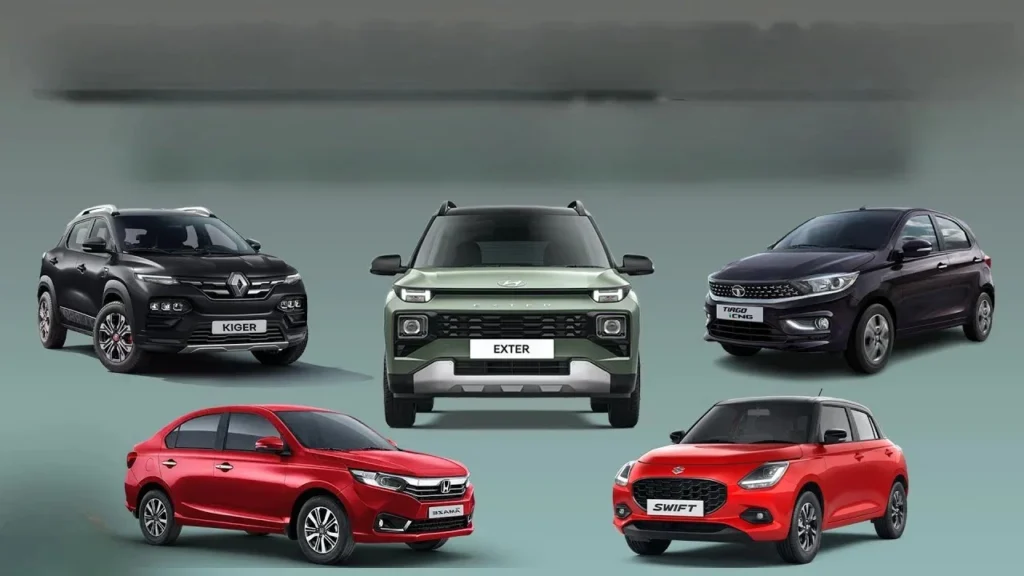
- Compact SUVs (once fuel-hungry) now offer respectable efficiency thanks to hybrid/powertrain tweaks.
- This means buyers need to compare across segments, not assume “hatch = efficient, SUV = bad mileage”.



6
Top Fuel-Efficient Cars in India 2025 — By Fuel Type
In this section we present notable cars by fuel type/segment for “best fuel efficiency.” These are indicative benchmark models and help you gauge what numbers are realistic in 2025.
Petrol & CNG Hatchbacks / Small Cars
Small cars remain efficiency champions in kmpl/km/kg terms.
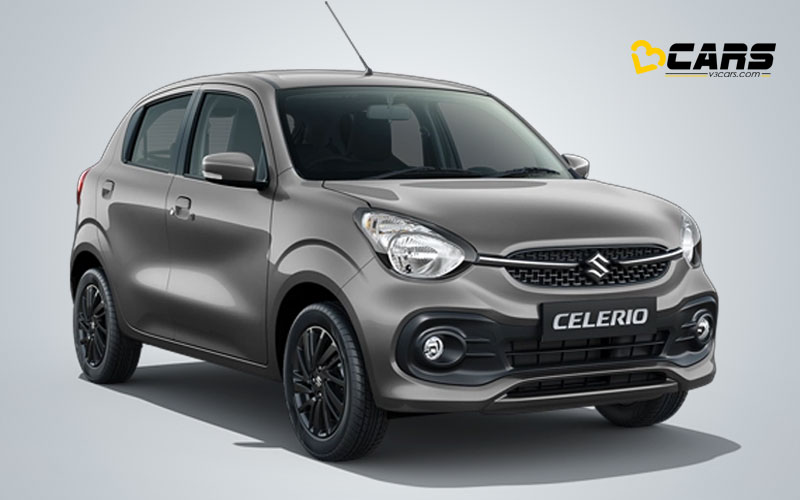
- For example, Celerio claims ~27 kmpl (petrol) and ~35 km/kg (CNG) in some lists. GoMechanic+1
- The Maruti Suzuki WagonR posts ~33–35 km/kg for CNG in certain cases. Garware Hi-Tech Films
These models show that if your usage is mostly city short runs, small hatch + CNG/petrol is very efficient. The trade-off is less space, fewer features.
Diesel / Petrol Sedans & Midsize Cars
While diesel’s popularity has dipped, for high usage buyers it still offers efficiency:
- For example, a list puts the Tata Nexon diesel at ~21.5 kmpl. northfleet.in
- In petrol sedan segment hybrids now dominate top efficiency.
So for midsize buyers who cover high km/year or do highway drives, these may fit.
Hybrids / Mild-Hybrids: Best-in-Class for Fuel Efficiency
Hybrid cars are increasingly the most efficient even in bigger vehicles:
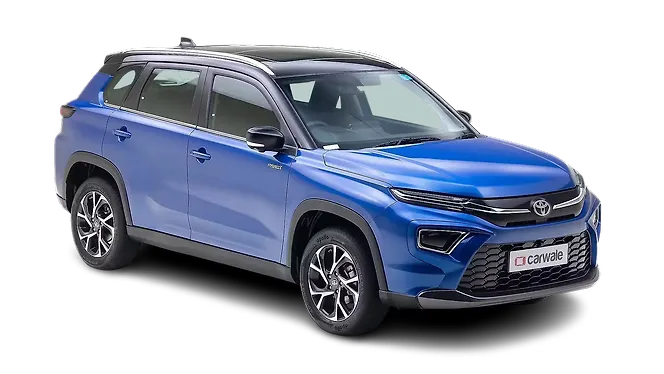
- Toyota Urban Cruiser Hyryder claims ~27.97 kmpl. GoMechanic+1
- Honda City Hybrid claims ~26.5 kmpl. CarDekho
For buyers who value efficiency and comfort/space, hybrids are compelling — albeit with higher upfront cost.
Compact SUVs with Good Fuel Efficiency Credentials
Compact SUVs used to be fuel-efficiency weak links but are improving:
- Models like Hyundai Venue or Tata Nexon are showing ~20-24 kmpl depending on variant. ZigWheels.com
- As hybrids enter this category, expect further gains.
If your family needs SUV-space but you still care about mileage, this segment is now plausible.
6
Case Studies: Real Mileage vs Claimed Mileage
Example Car 1 – Maruti Suzuki Celerio: claimed vs real world
The Celerio is repeatedly listed as one of the most efficient petrol/CNG cars: claimed ~27 kmpl petrol, ~35 km/kg CNG. GoMechanic+1
In real-world testing some blogs found ~21 kmpl petrol / ~30 km/kg CNG for loaded city use. Garware Hi-Tech Films
Lesson: The gap between claim and daily usage is real. But even at lower real world numbers, its small size and efficiency make it a strong city commuter pick.
Example Car 2 – Maruti Suzuki Swift: efficiency in urban vs highway usage
The Swift is often used as a benchmark: claims ~25.75 kmpl petrol. CarDekho+1
In city heavy traffic, real world might come closer to ~22-24 kmpl, while on highway it may go higher with lighter loads.
Lesson: If your usage is mixed city + highway, pick a car whose claimed number gives you a comfortable cushion (e.g., 25kmpl claim translates to expect ~20-22 real).
Example Car 3 – Toyota Urban Cruiser Hyryder (Hybrid): real world efficiency story
As a hybrid SUV, the Hyryder claims ~27.97 kmpl. GoMechanic+1
In real owners’ usage, especially city stop-start driving, the hybrid system allows better fuel savings compared to equivalent petrol non-hybrid SUVs.
Lesson: Hybrid technology gives an efficiency boost, especially in typical Indian city/suburban usage. But the higher upfront cost must be balanced by running cost savings and how many km you drive.
Insights: How driving pattern, fuel type and region shift outcomes
From these case studies we see patterns:
- City driving with many stops: Hybrids or small hatch make big difference.
- Highway or long km usage: Diesel or efficient petrol/hybrid matter more.
- Fuel infrastructure (CNG stations) matters regionally – a CNG-champion car may under-deliver if you don’t have good CNG access.
- Maintenance, load, AC use reduce efficiency.
- Budget vs efficiency trade-off: The most efficient cars sometimes cost more upfront (hybrids). Decide based on your usage and amortise cost over years.

6
How to Choose a Fuel-Efficient Car for You
Matching your usage (city vs highway vs mixed)
Before you chase the “highest kmpl” tag, ask: What will I actually use the car for?
- If your drive is mostly city (commute 10-30 km/day) and you have parking/AC use heavy: small hatch + efficient petrol or CNG makes sense.
- If you travel longer distances often (highway + weekend trips) or drive many km/year (say >15k km): you need a car whose efficiency holds up in highway usage — and may even consider a hybrid or diesel (if appropriate).
- Mixed usage demands a car that balances comfort + efficiency. Key: choose a model with claimed efficiency higher than you expect to get.
Checking fuel type suitability (CNG access, diesel for high km, hybrid for mix)
- CNG: Excellent running cost for city/higher usage, but check station access in your region.
- Diesel: Good when you cover high km and exploit its efficiency advantage. But diesel premiums, cost, maintenance matter.
- Hybrid: Best for mixed usage and if you have budget. Efficiency benefit higher when stop-start traffic is heavy.
- Petrol: Most flexible; if your usage is moderate and you value lower upfront cost, modern petrol engines with high efficiency may suffice.
Evaluating manufacturer claims vs real world results
- Don’t take claimed kmpl at face value — always account for “real world drop”.
- Check owner reviews, forums, third-party tests. For example, blogs show some models achieve 20-30% less than claimed. Garware Hi-Tech Films+1
- If manufacturer claim is 30 kmpl, and you expect 25-28 real world, you’ll likely be okay. But if claim is 22 and you get 17, you may regret.
Ownership cost beyond kmpl: maintenance, service, resale
Fuel efficiency is one part but total running cost matters:
- Service and parts cost vary by brand, condition, usage.
- Resale value: Cars with strong resale help lower your cost per km over lifecycle.
- Insurance, tyres, annual cost: heavier/higher powered cars may cost more.
- If you buy a hybrid, budget for potential higher service cost (but in many cases these are covered).
Thus the cost per km over your expected ownership (say 5 years) is a better metric than just kmpl.

6
Conclusion
Fuel efficiency remains a key driver of car-buying decisions in India in 2025. But it’s not just about the highest kmpl figure—it’s about how that figure translates into your real world usage, running cost, comfort, and long-term value.
Here are the major take-aways:
- Understand your usage pattern first: city, highway, or mixed.
- Choose a fuel type and car segment matched to your usage (small hatch for city, hybrid for mixed, etc).
- Beware of headline kmpl claims: expect real numbers to be lower.
- Hybrids and newer tech are closing the efficiency gap even for bigger cars.
- Fuel efficiency must be balanced with comfort, features, resale, maintenance.
- The right efficient car for you is better than the “most efficient car overall”.
If you’re looking for a fuel-efficient car in India for 2025, this guide should have given you the right lens to compare, evaluate, and pick wisely. The mileage numbers are just the beginning—what matters is how those numbers align with your driving life and budget.
Happy driving and smarter fuel savings ahead!