


Introduction
Car Care and Cleaning Tips 2025: Keep Your Vehicle Like New-Owning a car in India is more than just driving from point A to point B. Whether it’s the daily city commute, weekend family trips or longer drives, your car represents a significant investment in both money and convenience. And like any major investment, it deserves good care. In 2025, with increasing traffic, rising pollution levels, tougher weather extremes and newer car technologies (hybrids, EVs, connected features), car care and cleaning have become more nuanced and critical than ever.
Why bother with car cleaning and maintenance? Beyond aesthetics—yes, a shiny car looks great—it influences performance, longevity, safety and resale value. A neglected car may cost you more in fuel, breakdowns, repairs and may fetch a poorer resale price. In India, you face unique challenges: monsoons bringing water-logging, humidity and rust; summer heat sun-bleaching paint and interiors; dust and pollution everywhere; rough roads. So your care strategy needs to be tailored.
In this comprehensive guide we’ll walk you through every facet of car care and cleaning as an Indian owner in 2025—from exterior to interior, mechanical checks to seasonal protection, real owner stories, budgeting and practical weekly/monthly routines. By the end of this article you’ll not only know what to do, but why it matters, how to do it, and how to make it part of your routine. Let’s get started.
H2: Understanding Car Care & Cleaning: Basics and Why They Matter
Get Some Information about SUV & Sedan reviews 2025
H3: What “car care” includes: mechanical, cosmetic, interior & exterior
Car care is a broad term encompassing multiple domains:
- Mechanical care: engine oil changes, filters, tyres, brakes, suspension, battery, belt inspections.
- Exterior cosmetic care: washes, polish, paint protection, wheel/rim cleaning, bodywork, under-carriage.
- Interior cleaning & upkeep: seats, upholstery, carpets, dashboard, AC system, air filters, odour control.
- Cleaning processes: routine washing, deep detailing, protective treatment (wax/coating), seasonal protective tasks.
Thinking of car care as just “taking it to service” or “washing sometimes” is limiting. Good care integrates all four domains. For example, washing regularly helps keep body corrosion at bay (cosmetic), but may also reveal leaks or damage early (mechanical). Interior cleanliness improves passenger comfort and helps preserve the car’s value.
H3: Cleaning vs care: differences and overlapping benefits
Cleaning your car is about appearance and hygiene—washing dust/dirt, cleaning upholstery, vacuuming. But care goes deeper: maintaining mechanical health, preserving components, preventing problems before they arise. A car that looks clean but has neglected mechanicals is still at risk.
Yet cleaning and care overlap: when you clean the exterior under-body, you may detect rust or damage; when you clean the interior vents you may detect fungi or cabin air filter issues. Here are overlapping benefits:
- Preserves paint & bodywork → slower corrosion, better resale.
- Healthier interior environment → better comfort & value.
- Better mechanical condition → safer, more efficient car.
- Better fuel economy and fewer breakdowns → cost savings in the long run.
H3: How neglect affects value, performance and safety
Neglect might seem harmless until it accumulates. Here are some consequences common in India:
- Dust, grime, acidic bird droppings degrade clear coat → paint fades, becomes porous → rust sets in.
- Incorrect tyre pressures or misalignment → increased wear, poor handling, higher fuel usage.
- Dirty air filters or clogged AC vents → cabin air quality suffers, load on AC increases → higher fuel/energy use.
- Ignored minor dents or rust spots → become major corrosion, higher repair cost, poor resale.
- Poor cleaning in monsoons → moisture trapped → electronics, wiring, carpets degraded. In 2025 one report highlighted increased vehicle-fire cases during summer due to neglected wiring and coolant issues. The Times of India
- Interior stains/unpleasant odour → detract from comfort and reduce buyer appeal on resale.
H3: The Indian-specific factors: climate, pollution, roads, usage
India poses some unique maintenance and cleaning challenges:
- Climate extremes: From scorching summers to heavy monsoons in some regions. For example, one blog notes for monsoon region owners you must watch tyre tread, wiper blade condition and underbody rust. Navbharat Times
- Dust and pollution: Many urban areas have high particulate matter. Dust settles on car surfaces, infiltrates engine bay, blocks filters.
- Road conditions: Potholes, speed-breakers, unpaved stretches challenge suspension, alignment and under-body components.
- Usage pattern: Frequent short trips, stop-start traffic, long idle times add strain. A blog on seasonal maintenance in India emphasises these conditions. MG Motor India
- Waterlogging and monsoon effects: Cars may face water ingress, rust, damp interiors, wiper/mirror visibility issues.
- New tech & features in 2025: EVs, hybrids and connected cars bring electronics and battery systems that require specific care (for example battery health, coolant for cooling systems).
Because these factors are magnified in India, your care and cleaning routine must be more disciplined and tailored. Now let’s walk step-by-step through cleaning the exterior, interior and mechanical care.
H2: Exterior Care & Cleaning: Step-by-Step
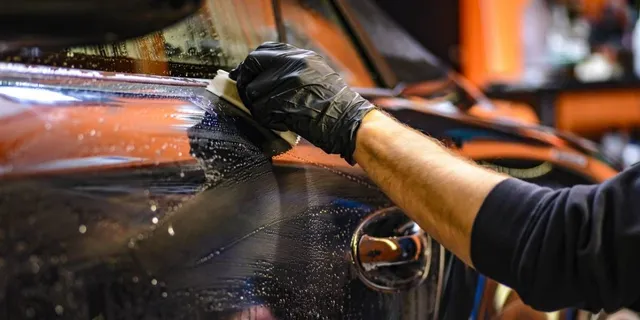
H3: Washing the car properly: frequency, materials, technique
Washing is the foundation of exterior care. According to CarDekho: “Wash your car regularly, wax it on your weekly off to keep the car shining and free from corrosion.” CarDekho
Frequency & approach:
- In urban/dusty areas: wash every 7–10 days.
- After monsoon or highway drive: wash immediate to remove mud, salt, grime.
- Use pH-neutral car shampoo, soft microfiber cloths or mitts; avoid harsh detergents.
Technique: - Pre-rinse: remove loose dirt.
- Shampoo wash top-down.
- Wheel and under-body: use separate mitt/brush because they carry grit.
- Rinse thoroughly.
- Dry with microfiber towel to prevent water-spots (especially important under India’s pollution/pollutant load).
Materials to keep: - Car wash shampoo, two buckets (rinse + wash), microfiber mitt/towel, wheel cleaner, tire brush, water hose with moderate pressure.
Tip: Avoid washing under direct sun (helps avoid water spots), and avoid high-pressure washers if your paint/wheels are weak.
H3: Paint protection: waxing, ceramic coating, under-body protection
Once cleaned, protecting the paint and body is vital:
- Wax or sealant: Apply every 3–6 months in Indian conditions to add hydrophobic layer, repel dust/pollutants.
- Ceramic/PPF (paint protection film): For higher-end cars or premium finishes, invest in ceramic coating or PPF. These resist bird-droppings, UV damage. One detailing blog indicates acid residue from bird droppings can degrade clear coat. 5kcarcare.com
- Under-body protection: Especially valuable in monsoon or salt-belt zones (coastal areas). Spray rust-proofing or under-guard to protect chassis, suspension components.
Indian context: With dust, high UV, occasional salt (coastal), protective layers prolong bodywork life.
Tip: After protection, still wash properly; protection is not substitute for cleaning.
H3: Tyres, wheels, rims: cleaning, alignment, tyre pressure
Cleaning: Use wheel-specific cleaner (acid-free) to remove brake dust and grime which can corrode rims.
Tyre care:
- Check tyre pressure monthly (and more often in extreme heat/cold) because tyre pressure affects wear and fuel economy. For example, one source notes that a 10–12 °C temperature change changes tyre pressure by ~1 PSI. MG Motor India
- Check tread depth and inspect for cracks. Worn tyres reduce grip (especially in monsoon) and increase wear.
Alignment & balancing: Key after potholes or rough terrain. Misalignment leads to uneven tyre wear and bad handling.
Tip: Apply tyre dressings if desired, but prefer water-based non-silicone products to avoid slippage during braking.
H3: Glass, mirrors, lights & trim: cleaning tips, water spots, visibility
- Glass & mirrors: Use glass cleaner and microfibre cloths for streak-free finish.
- Wiper blades: Check condition especially before monsoon; replace if rubber cracked.
- Lights (head/tail/fog): Clean outer lenses; dust and clouding reduce effectiveness especially in heavy rain or haze. Monsoon tips emphasise checking lights and wiper blades. Navbharat Times
- Trim & plastics: Use dedicated trim cleaners or mild soap; UV exposure can fade/brittle plastics.
Tip: After cleaning, apply a clear-coat protector spray to glass to repel rain (optional).
H3: Seasonal exterior care (summer, monsoon, winter)
Summer: Protect against high UV, paint fading, dashboard cracking; keep parked in shade where possible.
Monsoon: Rinse undercarriage to remove mud/wet grime, check tyres for wear, check seals for leak, minimal standing water.
Winter/Cold regions: Car may face salt on roads/coastal spray; frequent wash & under-body flush, check battery.
Tip: Make a seasonal checklist and schedule wash/protection per every 3–4 months accordingly.
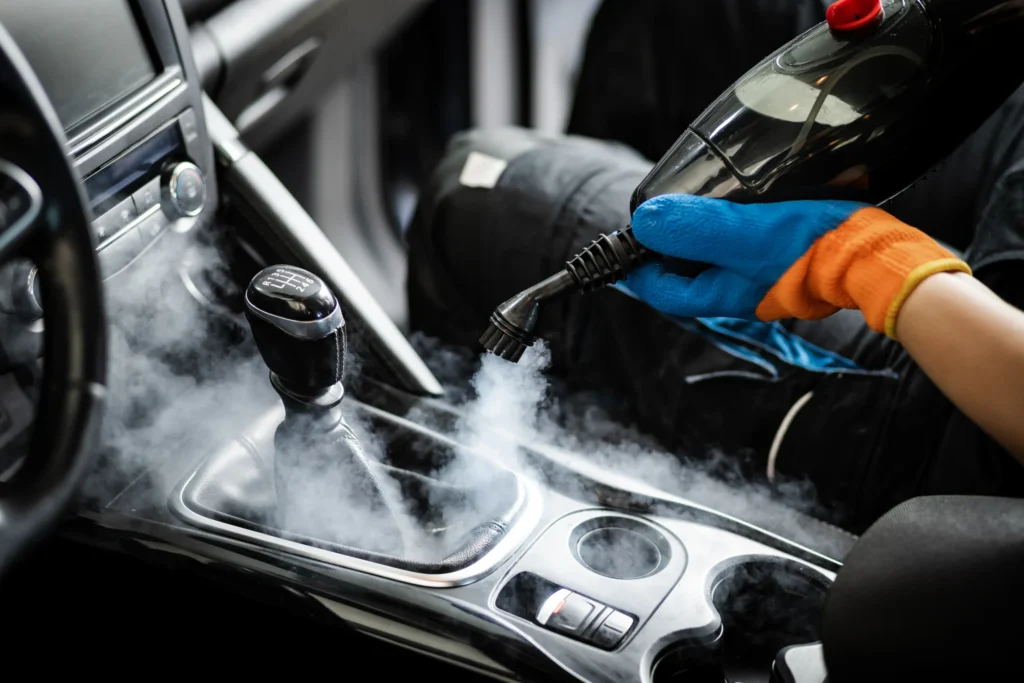
H2: Interior Care & Cleaning: Step-by-Step
H3: Dashboard, plastics, seats (fabric/leather), upholstery
Interior care significantly influences comfort and resale value. According to Kärcher’s car-care guide: “Good car care does not only mean washing the car regularly but also caring for the paint and bodywork, as well as keeping the interior clean.” Kärcher
Dashboard & plastics: Use microfibre cloth and mild cleaner; for leather wrap apply leather conditioner 1–2 times a year. Avoid all-in-one sprays that can smear electronics.
Seats & upholstery:
- Fabric: vacuum frequently; treat stains promptly.
- Leather: wipe with damp cloth; apply conditioner to prevent cracking under heat.
- Avoid direct sun on light-coloured interiors to prevent fading.
Upholstery tips: Use seat covers if you have kids/pets; ensure no spillage remains uncleared (will cause odour or mildew).
Tip: Vacuum entire cabin every month; deep clean every 6 months.
H3: Carpets, boot area and storage compartments
Crumbs, debris, spilled liquids accumulate especially in boot/footwell. Frequent vacuuming prevents odour and wear.
Boot area: Clean if you carry muddy items/gardening tools; rake out debris and rinse mud.
Storage compartments & cup-holders: Use small detailing brush, damp cloth to remove sticky residues.
Tip: Keep boot liner mat if you carry wet/dirty loads; remove after such loads and wash mat.
H3: HVAC (air-conditioning), filters, vents and cabin hygiene
In Indian climate the AC works hard—especially in monsoon/humid and summer heat. Interior cleaning often neglects AC components.
What to do:
- Clean Air-conditioning vents (dust, mould) every 6–12 months.
- Replace cabin air filter as per schedule; clogged filter reduces airflow and increases load.
- In summer, run AC/recirculate for 10 minutes to keep system healthy.
- Use odour-eliminating spray (optional) if mould smell arises.
One seasonal maintenance source suggests “changing cabin filter, keeping car dry” etc. MG Motor India
Tip: After rainy days, leave windows slightly open in shaded parking to avoid interior damp/mould.
H3: Odour control, stains, spills, how to maintain interiors
Spills (drinks, food), pets, wet clothes can cause stains and odours.
Steps:
- Blot spills immediately using paper towel or cloth.
- Use fabric cleaner for upholstery; use enzymatic cleaner if pet odours.
- For leather, wipe and condition.
- Use vacuum to remove crumbs/pet hair.
- Place silica gel packs or odour absorbers if climatic humidity high.
Tip: Avoid smoking inside car; use sun-shade for windows to prevent interior heating which amplifies odours/chemical off-gassing.
H2: Mechanical & Routine Maintenance: Core Care
H3: Engine oil, coolant, brakes, filters—what to check regularly
Regular maintenance is critical to extend your car’s health and save cost. CarDekho emphasises: “Regular oil changes, wash regularly, address niggles early.” CarDekho
Engine oil & filters: Check level monthly; change at manufacturer interval or every ~10,000–15,000 km depending on usage.
Coolant: Especially in summer high heat, check coolant level and radiator fans to prevent overheating. Gulf Oil seasonal blog notes coolant check is essential. Gulf Oil India
Brakes: Monitor brake fluid, pads, discs; gurgling sounds or spongy pedal signal issues.
Air & fuel filters: Clogged filters reduce performance/fuel economy; replace per schedule.
Tip: Use manufacturer-recommended fluids (oil grade, coolant type) to maintain warranty and performance.
H3: Battery, wiring, lights and electricals
Modern cars—especially EVs/hybrids—have complex electrical systems.
Battery: Check terminals for corrosion; keep battery charged. One lockdown-care sheet from Kia noted you should run the engine once per week if parked long. Kia
Wiring & aftermarket accessories: Loose wiring, non-standard accessories can cause failures or fire risk. A news article on summer vehicle fires warned of wiring issues due to negligence. The Times of India
Lights & indicators: Ensure all lights working; replace bulbs promptly; misaligned headlights impair visibility.
Tip: Before long drives, inspect electricals; keep a multimeter or basic tool kit in car for emergencies.
H3: Alignment, suspension, steering and tyre wear
Indian roads pose serious challenges to suspension and alignment.
Alignment & suspension: After hitting potholes or rough terrain, get alignment checked; uneven tyre wear is sign of misalignment. CarDekho article warns about CV joint/boot wear in FWD cars. CarDekho
Steering play: Any slack or vibration should be inspected promptly.
Tyre wear: Check tread depth (<1.6 mm is risky); rotate tyres every ~10–12k km or as recommended.
Tip: Use reputable tyre brands for monsoon/highway reliability in India.
H3: Usage patterns in India: city vs highway vs mixed, and the care required
In India, many users do heavy city commuting (stop-start), some do highway, some mixed. Care varies:
- City use: Focus more on brake wear, tyre wear, battery health (short trips).
- Highway use: Engine oil, coolant, tyre condition, suspension soak matter more.
- Mixed use: Balanced care.
Seasonal care also matters if you travel to hills, coast or extreme climates.
Tip: Capture your usage pattern in your maintenance schedule and budget accordingly.
H3: Service schedule, authorised workshop vs local mechanic, cost-effective care
Stick to manufacturer-recommended service intervals; using genuine parts preserves warranty and resale value.
Authorised vs local: Trained specialists, OEM parts, but cost typically higher. Local mechanic: cheaper, may be convenient, but quality/parts could vary. For things like brake fluid, coolant, battery you may choose trusted local service.
Cost-effective care: Maintain records, do basic cleaning/inspections yourself to reduce service cost, but don’t skip major periodic services.
Tip: Keep service receipts and stamps—these help resale value and show you cared for the car.
H2: Specialised Cleaning & Protection Tips for India 2025
H3: Monsoon care: rust prevention, under-carriage wash, tyre tread, water ingress
Monsoon is particularly challenging in many Indian cities: water‐logging, high humidity, dust accumulation, rust risk. A recent news piece emphasised tyre tread and wiper blades as key during rain. Navbharat Times
Recommendations:
- Rinse under-body frequently if driving through water.
- Ensure door seals, boot seals free from debris so no water seeps into interiors.
- Use rust-proofing spray if in salt belt or coastal area.
- Use mud flaps, check brake pads/wheels for mud clog.
- Check tyres for deep tread and replace worn ones (water reduces grip).
- Keep wipers fresh, glazing on glass cleaned properly.
Tip: After heavy rain/humidity, leave car windows cracked in shade for some time to ventilate.
H3: Summer care: heat, oxidation, dashboard cracking, tyre pressure variations
Summer heat can be brutal in India—UV damage, interior heating, tyre pressure changes.
Recommendations:
- Park in shade/underground or use sun‐shade for windshield.
- Use UV-protectant for dashboard plastics/leather.
- Wax paint frequently to protect from sun.
- Check tyre pressures weekly (heat expands air). A 10-12 °C change can change tyre pressure ~1 PSI. MG Motor India
- Use coolant water/level checks more frequently.
Tip: During hot months, before long drives, check engine temperature gauge more closely and let engine warm gently.
H3: Urban dust and pollution: frequent washes, air filter, paint protection
In major Indian cities pollution, dust and grime will settle in car surfaces and engine bay.
Recommendations:
- Wash every week if dust accumulates.
- Use engine bay cleaning periodically to remove dust/dirt build-up.
- Replace engine air filter/cabin filter more frequently.
- Use ceramic coating or sealant to repel dust and acid rain.
- Vacuum interior frequently to remove fine dust that affects air quality within cabin.
Tip: Avoid letting bird-droppings or tree sap remain on paint—they are acidic and degrade finish. A detailing blog stressed this. 5kcarcare.com
H3: New technology & features in 2025: how to care for EVs/hybrids, connected car interiors
In 2025 many Indian buyers are choosing EVs, hybrids or connected cars with sensors, electronics and advanced features. These introduce new care protocols:
- EV/hybrid battery & cooling system: Ensure service centre checks battery temperature regulation and cooling fluids.
- Connected car electronics: Clean micro-USB ports, camera sensors, ensure firmware updates.
- High gloss/glass roofs: Use appropriate cleaner, avoid after-market tinting that may interfere with sensors.
- Touch-screens & premium audio: Use soft cloths, avoid harsh chemical sprays.
Tip: When cleaning electric vehicles, avoid high-pressure jet directly on battery compartment/inlets. Follow manufacturer instructions.
By adapting to new tech, you preserve value and maintain performance.
H2: Case Studies & Real Owner Stories
H3: Story 1 – New car owner in Delhi coping with dust & smog
Rohit, a software professional in Delhi, bought his first car in 2024. Within six months he noticed paint looked dull and there were fine scratches. He discovered the heavy dust/smog & fine particulate in Delhi aggravated abrasions on the surface. He started washing every week with specialist dust-safe mitts and applied a sealant every 4 months. He also installed a garage cover and used a dashboard UV protector. After a year, he reports the paint retained better gloss and resale estimate is higher than his peer group.
Lesson: Urban dust/pollution demand more frequent exterior maintenance.
H3: Story 2 – Owner in Mumbai monsoon zone dealing with rust & water ingress
Anita, living near the coast in Mumbai, drives an ageing vehicle. Each monsoon she faced minor rust spots and damp carpets. She adopted the habit of under-body rinse at local car-wash, applied rust preventive spray, cleaned seals and changed cabin filter after monsoon. In two years she avoided more serious rust issues and saved ~₹20,000 in repair cost.
Lesson: Coastal/monsoon zones require targeted care to prevent rust and water-related damage.
H3: Story 3 – Suburban owner with EV/hybrid handling special cleaning/maintenance
Sunil purchased a hybrid SUV in 2025. Along with regular cleaning, he learnt about battery cooling system checkups, sensor-camera cleaning (for ADAS), and using soft cloths for large displays. Because the EV system had no major internal combustion engine components, he could shift budget from oil changes to quality foam-wash and ceramic coating. Over 18 months he found lower maintenance downtime and better cabin comfort.
Lesson: New tech vehicles may have fewer traditional service tasks but demand care of sensors, coatings and electronics.
H3: Lessons learned from their experiences
From these stories we see:
- Patterns of region and usage influence care needs.
- Regular minor tasks (weekly cleaning, rinse, check) yield large savings long term.
- Adapting to car type (EV/hybrid vs ICE) and environment (urban/dusty, coastal/monsoon) is critical.
- Cost of neglect (rust, paint fade, interior smell, battery issues) far outweighs cost of routine care.
H2: Smart Budgeting & Time Strategy for Car Care
H3: Monthly, quarterly and annual check-lists
Monthly: Check tyre pressure, lubricate door hinges, vacuum interiors, clean dashboards, check lights.
Quarterly: Wash exterior + wax/seal, clean wheels/rims, inspect tyres, check cabin air filter, clean AC vents, inspect under-body for rust.
Annually: Deep interior clean and detailing, under-body rust proofing (if required), full mechanical check (engine oil + filters, brakes, battery), seasonal service before summer/monsoon.
Create a calendar and stick to it.
H3: DIY vs professional care: what you can do at home, what needs expert help
DIY tasks: Weekly wash, interior vacuum, tyre pressure check, dashboard trimming.
Professional tasks: Engine/oil change, suspension alignment, rust proofing, ceramic coating, complex electronics check (EV systems).
Balancing helps you save cost but maintain quality.
H3: Cost-effective care: prioritising big-impact tasks, avoiding needless expenses
Ask: “Which tasks give me most value?” For example: tyre pressure + alignment has big impact on safety/fuel than buying premium air-freshener. Wax every 6 months rather than quarterly if budget is tight. Focus first on safety/corrosion tasks (brakes, rust, tyres) then aesthetics.
Tip: Keep record of costs and service history—this helps resale later.
H3: Tips for preserving resale value through care and cleaning
- Maintain service book/records—this evidences care.
- Keep interior and exterior in good condition—buyers dislike rattles, stains, dull paint.
- Avoid heavy modifications that reduce value.
- Use OEM parts when servicing.
- Clean car before valuation—good condition can fetch higher resale.
One blog noted that regular cleaning significantly influences resale value. 5kcarcare.com
Tip: Treat every minor scratch/paint chip early—prolonged corrosion or rust reduces value rapidly.
Conclusion
Car care and cleaning in India in 2025 is more than just a casual wash or occasional service. It’s about forming a consistent maintenance habit that aligns with your environment, your car’s technology and your usage pattern. Whether you drive in dusty Delhi lanes, monsoon-soaked Mumbai roads, or suburban highways in the outskirts, the tasks differ—but the principle remains: clean regular, inspect routine, protect proactively.
Here are the key take-aways:
- Don’t let your car be a passive expense. Good care reduces cost, improves safety and maximises resale.
- Use structured routines: monthly, quarterly, annually.
- Prioritise high-impact tasks (tyres, alignment, under-body, wax) over superficial ones.
- Adapt your care to Indian conditions: climate, dust, pollution, technology.
- Keep records, use genuine parts and avoid neglect—small actions today prevent major expenses tomorrow.
So next time you park your car for the night, take ten minutes: check tyre pressure, wipe the dashboard, rinse the exterior or vacuum the seats—over time these actions pay you back in smooth drives, fewer problems and a car you’re proud to own. Your car deserves good care, and in return will serve you better, longer and with less worry. Safe driving and happy car-care ahead!