


Introduction
Your vehicle is a complex system where multiple components must work in harmony to deliver reliable performance, efficiency and longevity. Among the suite of mechanical and electrical parts, two of the most critical are the engine — the powerhouse that propels your vehicle — and the battery — the silent workhorse that supplies electrical energy when you need it most. Yet many drivers focus on one or the other, or limit their care to anecdotal fixes (“Oh the battery died so I replaced it”) rather than a holistic, strategic approach.
In this post, you’ll gain a deep understanding of both engine and battery maintenance: why it’s important, how to do it, common pitfalls, how they interact, specific conditions (especially relevant in Indian traffic and climate) and actionable routines you can adopt today. Whether you’re driving daily around Ludhiana, commuting into the city, or using your car for longer trips, these engine and battery tips will help you avoid breakdowns, improve efficiency, and extend the life of your vehicle.
H2: Understanding the Heart of Your Vehicle — The Engine
H3: Why Engine Maintenance Matters
Think of your engine as the beating heart of your car. Without a strong heart, all other systems struggle. When your engine is well-maintained, you benefit from smoother performance, better fuel economy, fewer surprises, and longer vehicle life. On the flip side, neglecting engine maintenance can lead to major failure, expensive repairs and even safety hazards.
A good example: according to a guide from Bosch Car Service, regular oil changes improve your engine’s performance, extend longevity and help the vehicle hit its peak fuel efficiency. Bosch Car Service Furthermore, a one-stop article about “10 Minute Car Check That Extends Engine Life” reported that around 35% of engine failures could have been prevented with routine checks. MyFNG
Why so many failures? Because the engine works under extreme conditions: high temperatures, rapid mechanical motion, friction, combustion cycles, wear and tear. All of these mean preventive care pays off.
In your context (Punjab / India) where ambient temperatures can be high, traffic can be stop-and-go, and short trips are common, engine stress is even higher. Getting into the habit of treating engine maintenance as a priority is a smart move for cost-savings and long-term value.
Get Some Information about SUV & Sedan reviews 2025
H3: Routine Checks and Preventive Care-Engine and Battery Tips
Let’s break down the key routine actions you should integrate.
1. Oil & Filter Changes
Oil is the lifeblood of your engine. It lubricates moving parts, carries heat away, prevents sludge build-up and corrosion. A timely oil change reduces friction and prolongs engine life. Bosch Car Service+1
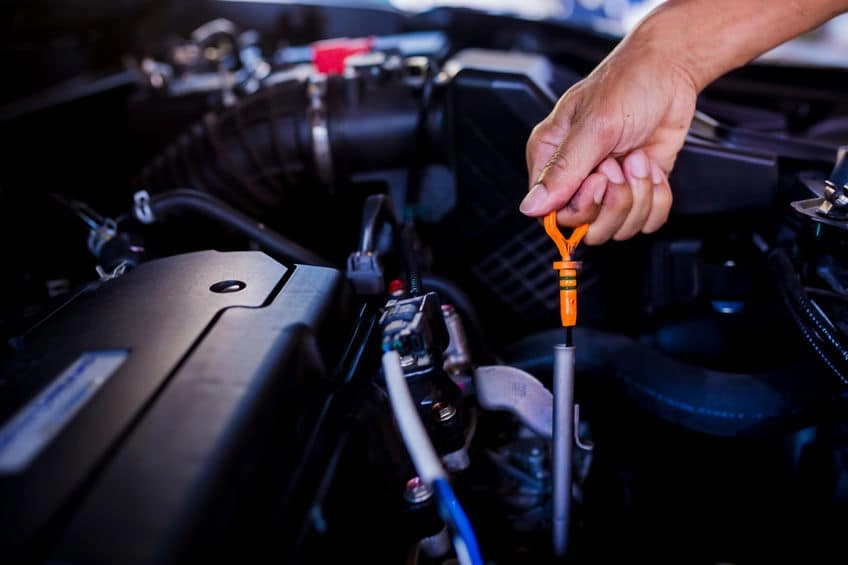
– Check oil level monthly: park on level ground, engine cool, pull dipstick, check between min/max. MyFNG
– Use oil of correct grade (refer to owner’s manual).
– Replace oil filter every time you change oil.
– If driving conditions are severe (hot climate, lots of idling, short trips), consider shortening change interval.
2. Coolant & Cooling System
Engine overheating is a common cause of catastrophic failure. Ensure coolant level is correct, hoses are intact, radiator fins are clean. One routine UK-based guide said that in India’s hot climate, 10% of breakdowns are due to cooling system failures. MyFNG
– Check coolant reservoir when engine is cool.
– Ensure correct mix of coolant and water (often 50/50) to handle high-temperature stress.
– Inspect for leaks, corrosion, radiator cap condition.
3. Air and Fuel Filters
Air filter: prevents dust and debris from entering the engine. If dirty, it reduces airflow, forces engine to work harder, reduces mileage. Indus Motors
Fuel filter: especially important in areas with poor fuel quality; clogged filters force fuel pump to struggle and can damage injectors.
– Inspect air filter every ~10,000–15,000 km (or more often under dusty conditions).
– Replace fuel filter as per schedule or sooner if fuel quality is suspect.
4. Belts, Hoses, Spark Plugs & Timing Components
These are secondary items but critical.
– Timing belt/chain: failure here can lead to catastrophic engine damage (valves meet pistons) so replace at recommended interval.
– Drive belts (alternator, water pump, AC): check for cracks, wear, tension.
– Spark plugs: worn plugs lead to misfires, rough idle, inefficient combustion, can stress engine.
– Hoses: coolant hoses, vacuum hoses — inspect for bulges, soft spots, leaks.
5. Engine Mounts & Vibration
Loose or degraded engine mounts cause vibration, stress on components, lead to ancillary failures.
– Inspect mounts if you feel vibration, engine movement, or hear banging under acceleration.
6. Monthly Visual Check
Set aside a simple 10-minute routine each month: check oil, coolant, battery terminals, visible leaks, listen for unusual noises. Early detection = fewer big repairs. As one source explains: “A car engine doesn’t fail overnight. It deteriorates slowly when small issues go unnoticed.” MyFNG
H3: Common Engine Mistakes to Avoid-Engine and Battery Tips
Here are some frequent errors that shorten engine life:
- Skipping oil changes or using cheap oil: causes sludge, increased friction, overheating.
- Frequent short trips: engine never warms up fully, oil doesn’t circulate optimally, so wear is higher.
- Ignoring warning lights or unusual noises: what seems minor can become major.
- Over-revving a cold engine: especially after start-up, don’t put full load till engine warmed.
- Using incorrect fuel grade or poor quality fuel: leads to knock, deposits.
- Neglecting cooling system: routes to overheating, warped components, head gasket failure.
- Ignoring air filter/dirty intake system: choked airflow forces engine to work harder.
- Neglecting combustion system cleanliness: deposits (carbon) reduce performance, efficiency. One article explained carbon cleaning restores engine efficiency. 5kcarcare.com
H3: Driving Habits That Affect Engine Life-Engine and Battery Tips
How you drive matters just as much as how you maintain. Good habits help the engine; bad habits accelerate wear.
Good driving habits include:
- Warm-up gently: don’t rev engine hard immediately after cold start.
- Avoid lugging the engine: avoid driving in too high gear at low RPM; shift appropriately.
- Maintain steady speeds where possible; avoid frequent heavy acceleration and braking.
- Reduce idling time: idling causes low oil pressure and minimal lubrication; one concept “idle reduction” links idling to wasted fuel and engine stress. Wikipedia
- Remove unnecessary load: extra weight, roof racks, stored items increase engine work.
- Use proper driving modes (e.g., ECO) where available to reduce engine stress.
Bad driving habits to avoid:
- Short hops/trips: engine never reaches optimal temperature, soot builds, wear increases.
- High revving or engine flat-out regularly: increases heat, stress, reduces lifespan.
- Heavy load plus full throttle: constantly burdening engine.
- Overheating it by ignoring temperature gauge.
- Not allowing the engine to cool down under heavy stress before switch-off.
Adopting good habits complements your maintenance routine and creates a synergy: a well‐maintained engine plus responsible driving equals maximum lifespan and lowest cost of ownership.
H2: The Power Behind the Spark – Engine and Battery Tips
H3: Role of the Battery in Vehicle Operation
While the engine is the mechanical heart, the battery is the electrical heart. The battery powers the starter motor, ignition system, fuel-injection system and all the electrical accessories when engine is off. On modern vehicles (including those with stop-start systems), the battery plays an even larger role.
When you turn the ignition key, the battery supplies a surge of current to crank the engine. Then once the engine is running, the alternator takes over to supply electrical systems and keep the battery charged. If the battery is weak, engine start becomes slow, accessories falter or the engine may not start at all.
According to an article from Popular Mechanics: a car battery should last about six years (though it depends heavily on conditions) and modern vehicles still rely on the battery as a key component of starting and operation. Popular Mechanics
Thus, good battery maintenance is not just about avoiding jump starts — it’s about ensuring the entire vehicle electrical / mechanical system stays healthy.
H3: Typical Battery Lifespan & Influencing Factors
Battery life varies widely depending on usage, environment and maintenance. For conventional lead-acid batteries, lifespan is often quoted as 2-5 years. For EV batteries (though outside the scope of this article focused on ICE vehicles), they can last 15-20+ years if properly maintained. Bosch Car Service+1
Key influencing factors:
- Temperature extremes: heat accelerates battery degradation; cold reduces cranking ability. Popular Mechanics+1
- Short trips / frequent starts: battery is used heavily but doesn’t get adequately recharged. E.g., frequent short journeys mean the alternator never fully recharges the battery. Mobility Aftermarket Singapore
- Electrical drains when engine is off: accessories left on, lights, infotainment devices etc continue to draw current.
- Poor maintenance / corrosion: dirty or loose terminals reduce connection, causing extra strain. Mobility Aftermarket Singapore
- Vibration / loose mounting: physical stress shortens battery life.
- Over- or under-charging: faulty charging system (alternator) can damage battery.
- Age & chemical wear: over time internal chemical reactions reduce capacity.
For example, Bosch India notes that a lead-acid battery’s average life is around 42 months, but that varies with climate, journey profile and charging behavior. Mobility Aftermarket Singapore
H3: Battery Maintenance Best Practices
Here are the practical best practices to optimize battery health:
1. Regular Inspection
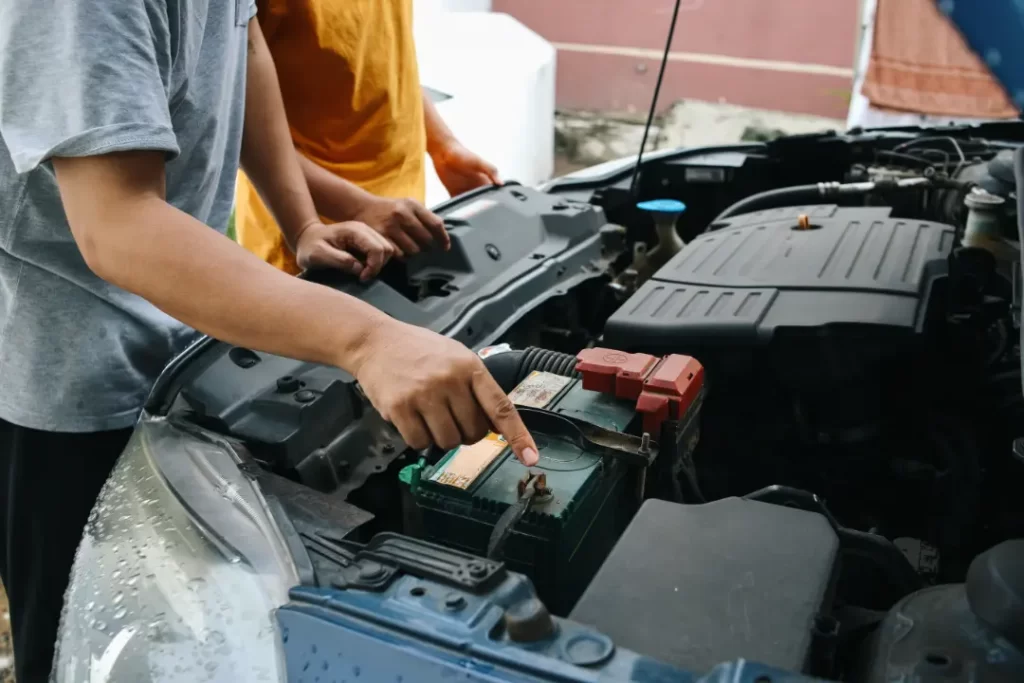
- At least monthly visual inspection: check for corrosion at terminals (white/blue build up), loose connections, cracks in the battery case, fluid (in some types) levels. Batteries Sunshine Coast
- Use a multimeter: Some manufacturers recommend checking voltage; a reading under ~11.5 V (for 12-V battery) when engine off suggests need for charging or replacement. Mobility Aftermarket Singapore
- Ensure battery is firmly mounted to reduce vibration damage.
2. Avoid Frequent Short Trips / Idle Use
Short trips may not allow battery to recharge fully; the starting process uses a lot of current, so repeated short starts without adequate recharge wears the battery. exidegroup.com For vehicles parked for long periods, a trickle charger or maintenance charger is beneficial. Batteries Sunshine Coast
3. Minimize Power Drain When Engine Off
Before leaving your vehicle, ensure lights, infotainment, accessories are switched off. Don’t leave devices plugged in if the engine is off. According to Popular Mechanics: “Using electronics in the car while the engine is off is the quickest route to a dead battery.” Popular Mechanics
4. Clean Terminals & Keep Battery Top Clean
Corrosion increases resistance and reduces performance. Clean terminals with baking soda + water, ensure proper torque on clamps, ensure vent holes (if present) are free of dust. Mobility Aftermarket Singapore
5. Protect from Extreme Temperatures
In hot climate, mounting the battery in a cooler spot or using heat‐shielding helps. In cold climate, ensuring battery charge is high and warmed (if possible) helps. Cold affects cranking power. Popular Mechanics+1
6. Test the Charging System (Alternator etc)
A healthy battery depends on the charging system. If alternator is failing, battery will wear out quickly. So during servicing check alternator output, belt tension, voltage regulation. Batteries Sunshine Coast
7. Know the Warning Signs & Replace Timely
Don’t wait until battery fails. Typical clues: slow engine crank, dim headlights while idling, dashboard battery warning light, electronics acting erratically. Replace when needed. Popular Mechanics
H3: Signs Your Battery Needs Attention or Replacement
Here are common signs you should pay attention to:
- Engine cranks slowly, takes longer to start.
- Dim interior lights or headlamps when engine is idle.
- Battery case is swollen or distended (sign of overheat).
- Terminal corrosion or loose connections.
- Warning light on dash (battery icon) or erratic electronics.
- Age: if battery is over ~4-5 years (in reasonable conditions), it may be nearing end of life. According to a checklist, if your battery is over four years old it “may be getting to the end of its life”. The Sun
- Frequent jump starts needed — a clear sign something’s wrong.
If you observe these, get a professional battery load test. Better to replace proactively than get stranded.
H2: How Engine and Battery Interact — Systems Working Together
H3: Starting the Engine — Battery Role and Engine Load
When you turn the key (or push start), your vehicle draws a large burst of current from the battery to engage the starter motor, which turns the engine over until it can run on its own. If the battery is weak, the starter spins slowly, the engine may struggle or fail to start, and that puts extra mechanical load on engine and starter components.
A weak battery also means the alternator has to work harder once the engine runs, potentially adding heat load and reducing engine efficiency. The engine may have to keep idling longer to allow the battery to recharge, increasing fuel consumption and wear.
In short: a strong battery ensures a strong start, less strain on engine components, better engine life.
H3: Alternator & Charging System — Bridging Engine and Battery
Once the engine runs, the alternator (driven by the engine via belt) generates electricity to power all vehicle electronics and recharge the battery. So the engine and battery are tied by the charging circuit. If the alternator is defective (under‐charging or over‐charging), this affects battery health, which in turn puts strain on the engine to compensate (longer idle, extended charging periods etc).
Similarly, if there is excessive parasitic drain (e.g., electronics left on), the engine may need to run longer or at higher load to maintain battery charge.
Thus, good engine maintenance (to keep engine running efficiently, belt tension, clean alternator etc) supports battery health, and vice versa.
H3: Extreme Conditions and Combined Stress (heat, cold, short trips)
In hot climates (like many parts of India), both engine and battery face elevated stress:
- The engine experiences higher temperatures, leading to faster oil degradation, higher coolant demands, increased wear.
- The battery gets exposed to heat which accelerates chemical aging.
In cold climates, battery suffers reduced cranking power and engine takes longer to warm up.
Short-trip driving: means engine and battery never reach optimal operating state. Engine remains cold longer (higher wear), battery gets cycled but not recharged fully.
Stop-and-go traffic: engine idles often, which increases engine wear and fuel consumption; battery may not get full recharge time.
Understanding this linkage means you adopt a maintenance routine that addresses both engine and battery with awareness of your conditions.
H2: Practical Tips & Case Studies
H3: Step-by-Step Monthly Check Routine
Here’s a practical monthly routine you can follow:
Monthly (10-minute check):
- Check engine oil level (when engine is cool and vehicle on level ground).
- Check coolant reservoir level and inspect visible hoses for leaks or cracks.
- Inspect battery terminals for corrosion, ensure battery is tight in its mount.
- Check engine belt(s) tension and condition (visible cracks etc).
- Check air filter visually (if you can) for heavy dust, plan replacement if needed.
- Inspect vehicle exterior underneath for visible fluid drips (engine oil, coolant).
- Start vehicle and observe idle – listen for abnormal noises, check that battery warning light is off.
- Check tyres, as low pressure increases engine load – not strictly engine/battery, but impacts efficiency.
Quarterly or at every full service (approx every 3–4 months or 5,000–10,000 km):
- Replace engine oil and oil filter (or according to manufacturer interval).
- Replace air filter if dusty environment.
- Have battery tested for load and ageing.
- Check alternator output, charging system.
- Inspect spark plugs, belts, hoses, engine mounts.
- Check battery age >4 years? Consider replacement proactively.
Annual or heavy-use condition (e.g., hot climate, heavy traffic):
- Flush coolant and replace (or at least check condition).
- Check fuel filter.
- Deep clean throttle plate / intake (carbon deposits) – as one mechanic noted, cleaning throttle plate prevents erratic idle and engine strain. The Sun
- Consider professional engine carbon-clean service if direct-injection or heavy usage.
- Clean battery hold-down, ensure battery tray clean from corrosion, apply terminal protectant.
H3: Real-world Example: Short Trips, Frequent Idling, Battery Strain
Imagine a driver in Ludhiana who uses the car for short hops — e.g., 5 km to the market, rarely drives 20 km or more. Each trip: the engine starts (battery load), then idles heavy in traffic, stops often, then driver switches off after 10-12 minutes. Result: the alternator never gets enough time at cruising speed to recharge the battery properly. Over weeks, battery capacity drops. The driver notices the next morning the engine cranks slowly. Meanwhile, because engine is often cold, oil film is sub-optimal, wear accumulates.
Tips for this scenario:
- Once a week, take the car for a longer drive (20-30 minutes) at moderate speed to allow full recharge and engine warm-up.
- Consider a battery maintenance charger if car is idle often.
- Monitor battery health.
- On engine side: avoid idling too long; switch off engine during long stationary stops if safe.
H3: Real-world Example: Neglected Engine Oil + Overheated Battery in Hot Climate
Another scenario: A vehicle owner delays oil changes; oil becomes dark, thick, full of deposits. Meanwhile, the car battery is mounted near engine bay in high ambient heat, with dusty conditions, and the driver uses headlights/AC when engine off. Over time the battery’s chemical life shortens. On a hot afternoon, the engine runs hot, oil performance degraded, cooling system stressed; battery suffers heat-induced degradation. Result: engine overheating and battery failure occur close together, leading to major repair.
Prevention:
- Follow oil change schedule strictly. Bosch Car Service
- Protect battery from engine bay heat (shielding, clean mount).
- Ensure cooling system is functioning (coolant, radiator fans).
- Avoid leaving electronics on when car is parked.
H3: Cost-Benefit of Preventive Maintenance vs Breakdown Repair
Let’s compare approximate costs (indicative only).
- Routine oil change + filters + battery inspection annually might cost a few thousand rupees (in India context).
- Repair due to engine failure (seized engine, head gasket, etc) can cost tens of thousands or more. For example, one article noted oil-check neglect can lead to seizure costing ₹1.5 lakh. MyFNG
- Battery failure leading to inability to start in traffic may not cost huge direct repair but can mean towing, missed commitments, wasted time, secondary damage (e.g., alternator overload).
- In hot climate ignoring battery maintenance may shorten battery lifespan to ~2–3 years instead of 4–5.
Therefore preventive maintenance is a small fraction of the cost of major failure, and pays off in reliability and resale value.
H2: Special Considerations for Indian Traffic & Climate (or similar conditions)
H3: Hot Weather Effects on Engine and Battery
In India, especially Punjab, hot summers (ambient temps 40 °C+) mean engine and battery face additional stress.
- Engine: higher coolant demand, oil degrades faster, air-conditioning load increases engine work, dust rate is high.
- Battery: heat accelerates chemical degradation, evaporates electrolyte (in some batteries), reduces cranking capacity. As one source says: “Hot weather can cause the battery solution to evaporate, limiting its ability to hold a charge.” Popular Mechanics
Tips: Park in shade or indoors, if possible. Use good quality coolant, check battery venting, keep terminals clean. On engine side use high-quality oil and ensure proper cooling.
H3: Stop-and-Go Traffic, Short Journeys, and Their Impact
Indian urban traffic often means slow moving, frequent stops, short journeys. For both engine and battery this is less ideal.
- Engine runs often at lower speed, may not reach optimum temperature; more idling means oil pressure lower, higher wear.
- Battery gets used for starting/loading but charger (alternator) may never get long enough run time at higher rpm to recharge fully.
This combination results in shortened life for both components.
Tips: Schedule occasional longer drives (>30 minutes at higher speed) to allow recharge and engine warm-up. Avoid unnecessary idling; if safe, switch off engine during long stationary stops.
H3: Choosing Parts and Service in Local Context (India / Ludhiana / Punjab)
Maintenance is only as good as the parts used and the service practice. In your region:
- Choose engine oil meeting manufacturer spec and suitable for hot/humid climate.
- For battery: opt for a brand that handles high-temperature operation.
- Service centres: pick one that checks both engine and electrical (battery/alternator) together.
- Ensure battery tray is clean of rust and corrosion (common in areas with road salts in winter or dust in summer).
- Maintain service records — can help resale value and early detection.
Conclusion
In summary, caring for your vehicle’s engine and battery is not separate tasks but intertwined duties. A healthy engine supports all systems, a reliable battery ensures the engine springs to life when needed, and together they ensure your vehicle serves you reliably for years.
Remember these key take-aways:
- Follow a regular maintenance schedule for engine (oil, filters, coolant, belts) and battery (inspection, cleaning, recharge handling).
- Adopt driving habits that reduce stress: avoid excessive short trips, idling, heavy loads, sudden revs.
- Be alert to warning signs: slow crank, dim lights, engine noise, leaks, corrosion.
- In hot climates and heavy traffic conditions (like many parts of India), the stress is higher — adapt your routine accordingly.
- Preventive maintenance costs far less than breakdown repairs.
- Make a checklist, set a reminder, and stick with it.
Below is a checklist you can print and keep:
- Oil & filter check/change per interval
- Coolant level + hoses check
- Air filter inspection
- Battery terminal cleaning + mount check
- Alternator output (at service)
- One long drive/month if mostly short trips
- Battery age >4 years? Consider replacement
- Engine or battery warning signs? Act immediately