


Introduction
Seasonal Car Maintenance Guide-Owning a car in India means dealing with three drastically different seasons — each affecting your vehicle in unique ways. The monsoon brings waterlogging, slippery streets, and electrical failures. Winter brings fog, cold starts, and reduced visibility. Summer brings overheating, tyre bursts, and AC overload.
A car that performs beautifully in winter may struggle in the monsoon. A car that handles summer highways perfectly may struggle with fog-filled winter mornings.
This is why seasonal car maintenance is not optional — it is essential.
This detailed 5,000+ word guide provides a complete, practical, easy-to-follow seasonal maintenance plan designed specifically for Indian conditions, based on real issues, real climate challenges, and real driver experiences.
India’s climatic diversity makes it one of the most challenging environments for automobile reliability. Daily temperature swings, humidity changes, dust levels, and extreme weather conditions stress every component of your vehicle — from tyres to transmissions.
Why Seasonal Maintenance Matters
- Avoids unexpected breakdowns
- Keeps your family safe
- Reduces long-term repair costs
- Increases resale value
- Ensures maximum performance and fuel efficiency
Get Some Information about SUV & Sedan reviews 2025
How Weather Affects Your Car
- Heat weakens batteries, evaporates fluids, damages tyres
- Cold reduces lubrication, affects battery output, increases fuel consumption
- Rain damages electrical systems, causes rusting, and affects braking
According to Indian Road Safety reports, over 32% of yearly car failures happen during monsoon, while winter fog contributes to 20% of annual road accidents. Summer heat contributes to battery failures and long-distance breakdowns.
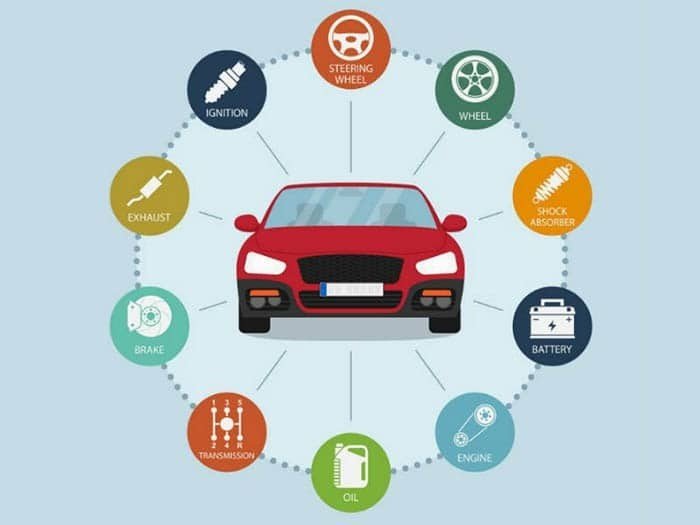
H2: Understanding Your Car: Systems Affected by Weather / Seasonal Car Maintenance Guide
H3: Engine & Cooling System
Your engine is designed to operate within a fixed temperature. Both extreme heat and extreme cold affect combustion, lubrication, and cooling.
H3: Battery
- Winter = low cranking power
- Summer = electrolyte evaporation
- Monsoon = moisture and corrosion
H3: Tyres
Heat increases tyre pressure → risk of blowouts
Cold decreases tyre pressure → reduced grip
Rain = hydroplaning risk
H3: Braking System
Rainwater reduces brake performance
Cold weather makes brake pads stiff
Summer heat increases wear
H3: Electrical Components
Moisture (monsoon) → short circuits
Heat (summer) → sensor failure
Cold (winter) → battery drain
H3: Fluids & Lubricants
Heat evaporates fluids
Cold thickens fluids
Rain contaminates fluids
H3: Exterior & Underbody
Monsoon = rust
Winter = dew damage
Summer = paint fading
PART I — MONSOON CAR MAINTENANCE
H2: Why Monsoon Car Care Is Critical
India receives some of the heaviest rainfall in the world. With rain comes:
- Waterlogged roads
- Overflowing drains
- Potholes
- Slippery surfaces
- Electrical failures
- Fogging inside windshield
- Reduced visibility
Every year, hundreds of cars stall in waterlogged areas due to hydrolock — a severe engine failure where water enters the engine’s air intake.
Thus, monsoon is the most dangerous season for your car.
H2: Monsoon Maintenance Checklist
H3: 1. Tyres & Aquaplaning Prevention
Tyres are your only contact with the road — just four small patches of rubber.
Check Tread Depth
Minimum safe tread depth: 2.5 mm
Below that = dangerous during rain.
Correct Tyre Pressure
Underinflated = reduced control
Overinflated = reduced grip
Follow manufacturer recommended PSI.
Prevent Hydroplaning
Hydroplaning happens when tyres lose contact with the road due to water. It causes sliding and loss of control.
H3: 2. Braking System
Rain reduces brake efficiency by 30–40%.
Check
- Brake pads
- Brake discs
- Brake fluid level
- ABS functionality
If you hear squealing or feel longer stopping distances → check immediately.
H3: 3. Wipers & Visibility
Visibility drops drastically during monsoon.
Replace wiper blades yearly
Old blades leave streaks → dangerous.
Use proper windshield washer fluid
Avoid plain water — it grows fungus.
Use Anti-fog spray on inside
Stops the glass from fogging.
H3: 4. Lights & Electrical System
Moisture affects the entire electrical system.
Check
- Headlights
- Fog lamps
- Indicators
- Brake lamps
- Cabin lights
A single electrical malfunction can stall your car.
H3: 5. Battery Check
Moisture causes corrosion on terminals.
Clean terminals
Use baking soda + water paste.
Check battery health
If your battery is over 3 years old, test it.
H3: 6. Seals, Doors & Rubber Linings
Rainwater often enters through weak seals.
Apply rubber protectants
Prevents cracking.
Check door seals
Replace if worn out.
H3: 7. Underbody & Rust Protection
Monsoon mud contains chemicals that speed up rust.
Anti-rust coating recommended
Especially for older cars.
H3: 8. Air Conditioning & Demisting
Fog forms inside the car during humidity.
Use AC in fresh air mode
Helps clear fog.
Clean cabin filter
Dust + moisture reduces cooling.
H3: 9. Monsoon Emergency Kit
- Power bank
- Tow rope
- Waterproof torch
- First aid
- Window breaker
- Tyre inflator
- Rain poncho
H2: Safe Driving Techniques During Monsoon
H3: Avoid Flooded Roads
Rule: If water is above your ankle → DO NOT DRIVE THROUGH.
H3: Keep Lower Speeds
High speed = risk of hydroplaning.
H3: Use Light Braking
Hard braking leads to skidding.
H3: Stay in Middle Lane
Middle lanes flood less.
H2: DIY Monsoon Care
H3: Clean Mudguards Weekly
Prevents rusting.
H3: Use Silica Gel Pouches in Cabin
Prevents moisture smell.
H3: Check Engine Oil for Water
If oil is milky → water has entered → immediate workshop visit.
PART II — WINTER CAR MAINTENANCE
H2: Why Winter Car Care Matters in India
India’s northern and hill regions see:
- Fog
- Dew
- Frost
- Near-zero temperatures
Winter causes:
- Battery failure
- Increased fuel consumption
- Poor visibility
- Difficult cold starts
H2: Winter Maintenance Checklist
H3: 1. Battery Conditioning
Cold reduces battery capacity.
Signs your battery is weak:
- Slow engine crank
- Dim headlights
- Clicking sound during start
H3: 2. Engine Oil
Use lower viscosity oil for winter:
- 5W30
- 0W20 (for some cars)
Thinner oil helps with cold starts.
H3: 3. Tyres
Cold reduces tyre pressure → check weekly.
H3: 4. Heating & Defogging System
Fog is India’s biggest winter hazard.
Use AC + Heater Combination
Removes moisture quickly.
H3: 5. Lights & Fog Lamps
Use yellow fog lamps for heavy fog — they penetrate better.
H3: 6. Wiper & Washer Fluid
Use anti-freeze washer fluid in hill stations.
H3: 7. Fuel & Fuel Lines
Diesel Cars:
Diesel may “freeze” at high altitudes → use anti-gel additives.
H3: 8. Door & Rubber Seals
Moisture freezes overnight in cold regions.
Apply silicone spray to prevent rubber from sticking.
PART III — SUMMER CAR MAINTENANCE
H2: Why Summer Heat Is Dangerous for Cars
- Overheating
- Tyre bursts
- AC overload
- Evaporation of fluids
- Battery evaporation
- Paint fading
Temperatures inside the car cabin can reach 60–70°C when parked under the sun.
H2: Summer Maintenance Checklist
H3: 1. Engine Coolant & Overheating
Summer is the season of breakdowns.
Check:
- Coolant level
- Coolant color
- Radiator leaks
H3: 2. AC Performance
Your AC runs at maximum capacity in summers.
Servicing includes:
- AC gas level
- Cabin filter
- Condenser cleaning
H3: 3. Tyre Pressure
Heat increases pressure → risk of tyre burst.
Check pressure in the morning.
H3: 4. Battery
Heat evaporates battery fluid.
Keep terminals clean and fluid levels topped.
H3: 5. Brake Fluid
High temperature reduces braking efficiency.
H3: 6. Cabin Care
Use:
- Sunshades
- Dashboard protectant
- UV-blocking films
H3: 7. Exterior Paint Protection
Use:
- Ceramic coating
- Wax
- Paint sealants
H3: 8. Summer Fuel Efficiency Tips
- Drive at steady speeds
- Reduce AC load
- Avoid idling
- Use proper tyre pressure
PART IV — ANNUAL MAINTENANCE PLAN
H2: Monthly Checklist
- Tyre pressure
- Engine oil
- Coolant
- Visual inspection
H2: Seasonal Checklist
- Before monsoon
- Before winter
- Before summer
H2: Yearly Checklist
- Full service
- Brake pads
- Filters
- AC service
- Wheel alignment
H2: Pro Tips for Maximizing Car Life
- Never delay oil change
- Avoid harsh braking
- Keep tyre pressure correct
- Don’t overload your car
- Wash underbody regularly
H2: Conclusion
A car is a long-term investment. Keeping it healthy requires seasonal care — each season brings its own challenges. Whether it’s the monsoon’s waterlogging, winter’s fog, or summer’s extreme heat, following this guide ensures safety, reliability, and performance all year round.
Also go through Wikipedia