


Introduction
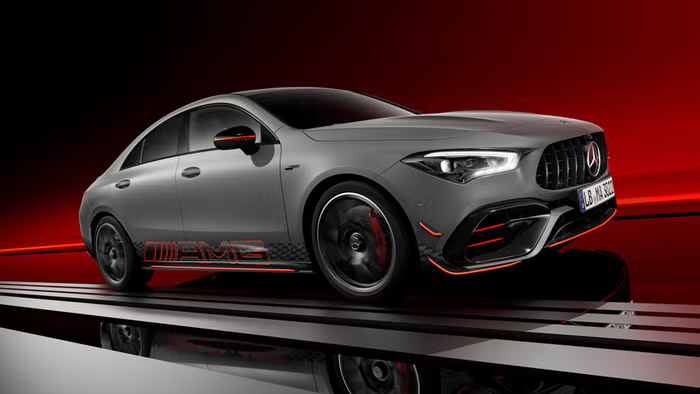
Luxury Car Reviews in India 2025-In the landscape of Indian automobile buying, luxury cars occupy a unique and aspirational niche. Unlike mass-market vehicles whose primary purchase driver may be utility or affordability, luxury cars are about prestige, performance, exclusivity and experience. For many HNIs (high-net-worth individuals), entrepreneurs, and aspirational buyers in India’s metro and tier-1 cities, a luxury car symbolizes achievement. According to one market report, India’s luxury car market is projected to grow steadily, driven by rising disposable incomes, urbanisation, and the desire for premium experience. Mordor Intelligence+2Ken Research+2
In India, even though luxury cars form just over 1 % of total car sales, the segment punches above its weight in terms of brand-impact, feature-set and profit margins. For example, in FY 2025 the luxury segment crossed 50,000 units sold—marking an important milestone. Autocar Pro+1
Given this, a buyer interested in luxury cars needs much more than just a spec-sheet glance. They require a richer review approach that covers performance, luxury experience, ownership cost, exclusivity and future value. This blog sets out to deliver a detailed review guide specifically for luxury cars in India — helping you make an informed decision.
What this review guide covers — from market context to model deep dives
In the sections that follow you’ll find:
- A comprehensive review of the Indian luxury car market—size, trends, segments.
- A structured methodology to evaluate luxury cars in India—what review metrics matter.
- A review of top luxury car models (sedans, SUVs, electric/premium) available now in India, what they bring and what to watch.
- A deep-dive review framework you can apply when assessing any luxury car in India.
- A smart buying strategy tailored for the Indian buyer—when to buy, how to consider taxes, regional factors, resale.
- A frank discussion of challenges and things you should watch before booking.
- A forward-looking outlook: what’s next in the luxury car segment in India (EVs, customisation, subscriptions).
By the end, you’ll be better equipped to review, compare and ultimately buy a luxury car in India with confidence—knowing what matters beyond the badge.
The Indian Luxury Car Market Landscape-Luxury Cars Reviews in India 2025
Market size, growth trends and recent data
The Indian luxury car segment—while niche relative to mass-market sales—has shown steady growth and evolving dynamics. According to a report from Mordor Intelligence, “The India luxury car market size stands at USD 1.32 billion in 2025 and is projected to reach USD 1.82 billion by 2030 with a CAGR of ~6.6%.” Mordor Intelligence
Similarly, Grand View Research states that the overall luxury car market (in revenue terms) in India generated USD 34,023.3 million in 2024 and is expected to reach USD 57,985.8 million by 2030 (CAGR ~9.4%).
One piece of recent news: in the first half of 2025 about 22,900 luxury cars were sold in India (up ~1.8% over same period in 2024) indicating the pace of growth has moderated. HT Auto+1
In short: the luxury car market in India is growing, but it is maturing; growth is no longer double-digit across the board, and buyer expectations are evolving.
Key segments in luxury cars — sedans, SUVs, electric/premium, super-luxury
Segment breakdown is important when reviewing luxury cars:
- Sedans: Historically dominant among luxury cars, high-end sedans still command respect, especially full-size long wheel-base models (e.g., E-Class LWB, S-Class).
- Luxury SUVs: One of the fastest-growing segments. India’s preference for SUVs (higher seating, road presence, comfort) means luxury SUVs – not just sedans – dominate the premium segment. In fact, one report states SUVs led with ~48% market share in the luxury car market in 2024. Mordor Intelligence
- Electric & Hybrid Luxury: With global shifts toward electrification, luxury brands in India are introducing EVs and luxury hybrids. Luxury electric vehicle (EV) share in luxury segment in India increased to ~11% in a recent period. ETAuto.com
- Super-luxury / Ultra-luxury niche: Cars priced at ₹1.5 crore+ (TEV – top-end vehicle) are increasingly contributing to growth. For instance, Mercedes-Benz India’s top-end vehicle segment saw 34% growth in FY 2025. Autocar India
Understanding which segment a given model belongs to is key when reading reviews: value metrics, exclusivity, service network and resale vary enormously.
What drives luxury car purchases in India — status, technology, personalization
Why do buyers pick luxury cars in India? Several overlapping drivers:
- Status & aspiration: Luxury vehicles are symbols of success. According to a Ken Research report, rising disposable income and the growth of HNIs in metro areas drives premium car purchases. Ken Research
- Technology & experience: Luxury cars bring advanced features (premium materials, cutting-edge infotainment, ADAS, EV powertrains) and new buyers seek experience, not just transport.
- Personalisation & exclusivity: Many luxury buyers opt for bespoke features, custom interiors, special variants. For example, up to 40% of luxury car buyers in India reportedly chose custom interiors in 2023. Ken Research
- Brand heritage & network: Established luxury brands with strong heritage (Mercedes, BMW, Audi, etc.) hold appeal; local manufacturing/assembly also helps price and service.
- Changing buyer profile: Younger affluent buyers (under 40), startups, executives are becoming luxury customers. For example, the average Indian Lamborghini buyer is under 40. Reuters
For review purposes, this means you must interpret luxury car reviews not just via specs but through lenses of brand, experience, personalization, and ownership journey.
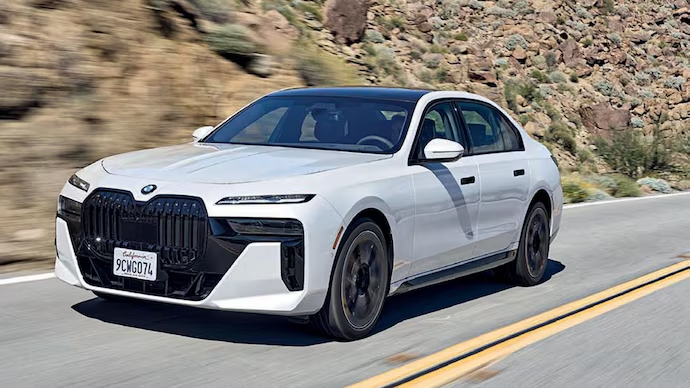
How to Review a Luxury Car in India/Luxury Cars Reviews in India 2025
Review metrics: performance, build & materials, features & technology, brand & service, cost & value-Luxury Car Reviews in India 2025
A robust luxury car review should cover the following metrics:
- Performance & Driving Experience
- Engine or electric powertrain specs: horsepower, torque, 0-100 km/h times.
- Ride and handling: comfort, noise/vibration/harshness (NVH), road refinement (especially important on Indian roads).
- Driving modes, dynamic behaviour, braking feel, driver engagement.
- Build Quality, Materials & Interiors
- Seat quality, finish of dashboard, door panels, stitching, ambient light, premium touches.
- Ergonomics and comfort: rear seat space (especially for LWB sedans), boot space, climate control.
- Fit and finish, gap tolerances, insulation from road/engine noise.
- Features & Technology
- Infotainment: screen size, connectivity (Apple CarPlay/Android Auto), bespoke apps, intuitive interface.
- Safety/ADAS: lane assist, adaptive cruise, blind-spot monitoring, 360° camera, automated parking.
- Additional luxury features: panoramic roof, massage seats, ambient lighting, customisation options.
- Cost, Value & Ownership
- Price in India on-road: ex-showroom + taxes/registration in your state.
- Running cost: fuel/energy consumption, maintenance, warranty, depreciation.
- Resale value: brand strength, demand, supply, future tech obsolescence.
- Brand, Service Network & Exclusivity
- Dealer/service network strength in your city/state. Luxury cars often require premium service, quick parts.
- Waiting period and exclusivity: special editions, concierge services.
- Customisation and personalisation: bespoke trim, unique colour orders, limited editions.
A luxury car review that attempts to summarise “is it worth it in India?” should walk through all these metrics, including local state conditions (tax, import duties, availability), not just why the car is good globally.
Special considerations in India: import duties, taxes, service network, variant localisation
In India luxury car ownership has country-specific baggage and nuances. A few to keep in mind:
- Import duties and localisation: Many luxury brands import completely built units (CBUs) and face duties up to ~100% for some models. This pushes up cost. For instance, the Ken Research report notes high import duties as a key challenge. Ken Research
- State taxes & registration: On-road cost varies significantly between states due to road tax, registration, lifetime tax. A luxury car may cost considerably more in Tamil Nadu than in a nearby state with lower tax.
- Service/parts network: Because luxury cars often bring new tech or low-volume parts, you must check local service readiness. Lag in spare availability or non-localised models may mean longer waiting or higher costs.
- Variant localisation: A model launched in India may be locally-assembled (CKD) or imported (CBU). Local assembly typically means lower cost, better service/parts network; imported means higher price but often more exclusive.
- Infrastructure fitment: Luxury cars may come with large engine capacity, low ground clearance (for sedans) or special tyres—on Indian roads, roof-height speedpits, potholes, mixed traffic must be factored. A luxury SUV may actually be more practical than a low-slung sedan.
Reviewers must contextualise global specifications for Indian conditions and costs.
Ownership experience: resale, waiting period, exclusivity, customisation
Luxury car ownership is more than the buying moment—it’s a long-term experience. Key aspects:
- Waiting period: Many luxury cars have waiting lists; top-end variants may take months. Reviews should mention when actual delivery can be expected.
- Depreciation/resale: While luxury segments can hold value better in some cases, rapid tech change (EV shifts, large-battery functions) may accelerate depreciation for older models.
- Service cost and downtime: Luxury parts/servicing cost may be higher, especially imported components; downtime (days in service) matters for users.
- Exclusivity & customisation: Buyers often expect bespoke options, unique trim, limited editions. Reviews should cover how well the brand allows personalisation in India and how that affects value.
In summary: a luxury car review for India must go beyond “0-100 km/h in 4.2 seconds” and ask: “How will this car live in your city, over the next 5 years, and what will it cost?”
Top Luxury Cars Reviews in India 2025 — Sedans & SUVs
Here we review (in a survey sense) key luxury car models in India, representative of the segment. For each we note what they bring, what to watch, and how they stack in a review framework.
Luxury Sedans: flagship models and what they bring
Luxury sedans continue to appeal for buyers seeking chauffeur-driven comfort, executive stature, and premium experience. A notable example: the Mercedes‑Benz E-Class LWB was cited as the best-selling luxury car model in India in FY 2025. Autocar India
What they bring:
- Long wheel-base versions provide extra rear leg-room (important in Indian chauffeur-driven context).
- Premium interiors and noise insulation.
- Brand cachet and executive presence.
What to watch: - Price may cross ₹70-90 lakh or more depending on variant.
- Service network and parts for top-end trims may be fewer in non-metro.
- Practicality: boot space, ground clearance, ride comfort on Indian roads.
When reviewing such sedans in India, the metrics of No.1 (performance) and No.2 (build/comfort) become very critical.
Luxury SUVs: high ground-clearance, premium tech and why they dominate
In India luxury SUVs are increasingly the segment of choice. As one market report states: “Sports Utility was the largest revenue generating vehicle type in 2024 and fastest growing.” Grand View Research
Why luxury SUVs are strong:
- Better fit for Indian roads: higher seating, better visibility, more ground clearance.
- Perceived safer, more commanding presence.
- Luxury brands offering SUVs with strong tech/comfort.
For example, the BMW iX1 (a luxury EV SUV) launched in India at sub-₹50 lakh pricing (locally assembled) and is gaining traction. Autocar India
What to watch: - Premium SUVs may come with large wheels/low-profile tyres which are less ideal for Indian road conditions.
- Running cost: tyres, fuel (or EV energy), maintenance.
- On-road cost: SUVs often taxed higher, and registration/road tax may be steeper in some states.
When reviewing luxury SUVs, ensure details around ride-comfort (especially rear seats), ADAS in Indian context (traffic, mixed conditions) and cost-of-ownership are covered.
Electric & Hybrid luxury models: the new frontier in Indian luxury car reviews
Luxury brands are increasingly pushing electrification. In India luxury EV share increased from ~7 % in Jan-May 2024 to ~11 % in the same period in 2025. ETAuto.com
For example, Mercedes-Benz India’s top-end vehicle models (TEV) with EV variants saw 34 % growth in FY25. Autocar India
What they bring:
- Quiet performance, instant torque, premium feel.
- Future-proofing: buyers see EVs as status & long-term investment.
What to watch: - Higher upfront cost, especially imported EVs.
- Charging infrastructure and practical range in Indian traffic/conditions.
- Service/parts network maturity for high-end EVs.
When reviewing luxury EVs in India, emphasise real-world range in Indian city/hwy mix, charging infrastructure in your region, and comparison to ICE/hybrid in cost.
Super-luxury / ultra-premium niche: what reviewers look for beyond the numbers
This is the domain of brands like Lamborghini, Rolls‑Royce, Bentley, and top-end Maybachs. Though volumes are small, they signal brand prestige and long-term value. India is seeing younger buyers in this space: average Indian Lamborghini buyer is under 40. Reuters
What reviewers emphasise:
- Customisation, bespoke interiors, limited editions.
- Exclusive service/concierge, resale potential globally.
- Ownership experience: events, brand club membership, waiting periods.
What to watch: - Very high running cost, expensive insurance, large tax/registration cost.
- Depreciation risk for niche models.
When reading reviews of super-luxury models, the focus shifts from “value-for-money” to “experience-for-premium”.
Deep Dive Review Framework — What You Should Look For Model by Model-Luxury Sedans
Here’s how to apply the review metrics in practice when evaluating a specific luxury model in India.
Performance & Driving Experience: engine/EV powertrain, ride & handling, refinement
When reviewing a luxury car in India, performance is more than just “0-100 km/h in X seconds”. Consider:
- How does the car behave in stop-and-go metro traffic vs highway cruising?
- How refined is the cabin—engine noise, wind/road noise, vibration? For Indian roads, NVH is critical for luxury feel.
- Suspension tuning: does it soak up potholes, rough patches while maintaining composure? Especially for SUVs.
- Steering and driving dynamics: in luxury cars, even if driven by chauffeur, the driver experience still matters.
- For EVs: how does the car manage thermal conditions (Indian summer), what is real-world range, how fast is DC/AC charging?
Example: A review might say “The Mercedes-Benz S-Class (India spec) delivered effortless power, but on Indian roads the ride could be slightly firm due to large alloy wheels—buyers might prefer the smaller-wheel option.”
As a buyer, test drive with local roads, check how the car performs in your common driving environment.
Build Quality, Materials & Interiors: seats, finishes, comfort, sound-insulation
Luxury cars stand out by quality of materials and environment. In the Indian context, this means:
- Premium upholstery (leather/alcantara), stitching, soft-touch materials, metal/wood inlays.
- Rear-seat comfort often matters more in India than front seat—especially for chauffeur-driven models or when travelling with family. Head-room, leg-room, rear climate controls, ambient lighting matter.
- Noise, vibration and harshness (NVH): what is ride quality at low speeds vs 100 km/h+? How does the car filter road shocks, engine and tyre noise?
- Practicality: larger boots, 3-across rear seat, real-world head-room, parking ease.
- Customisation: ability to choose bespoke interiors, unique colours, furniture-grade finishes.
In review, look for quotes like “The cabin isolation was superb; however, the rear head-room for five-nine driver in India was marginal.” That level of nuance matters.
Features & Technology: infotainment, ADAS, connectivity, custom options
Top luxury cars offer cutting-edge features that may be orders ahead of mainstream models. But in India context, also check localisation and support. Review points:
- Infotainment: clunky legacy systems lower score; check ease of use, touch/voice responsiveness, smartphone integration, over-the-air updates.
- ADAS (Advanced Driver Assistance Systems): many luxury cars now offer lane-keep, adaptive cruise, traffic-jam assist, night-vision. In India traffic, these work differently—reviewers must test Indian scenario.
- Connectivity: digital cluster, head-up display, personalisation, remote apps.
- Optional packages/customisation: choices of bespoke finishes, exclusive colours, performance/comfort options.
- Luxury-specific features: ambient lighting, massage seats, rear-seat entertainment, panoramic sun-roof, multi-zone climate.
Reviewers must note which features are standard vs optional in India—and at what cost. Because for luxury buyers, features often justify the price premium.
Cost, Value & Ownership: price in India (on-road), taxes/duties, running cost, resale value
Price in India is often significantly higher than international list due to import duties, taxes and localization. When reviewing hence focus on:
- On-road price in major cities (Delhi/Mumbai) — not just ex-showroom.
- Running cost: fuel/energy consumption, tyres (premium sizes), service/maintenance (special parts), insurance cost.
- Depreciation: review how the brand/model holds value in India, what resale market exists. For example luxury EVs may have future resale risk due to technology obsolescence.
- Premium options cost: often luxury buyers pick loaded trims with many options; review total price including options.
- Ownership cost over 3-5 years: if the premium over a high-end mainstream car is ₹20 lakh, what is the extra value you get, and will it hold up?
A review that says “Although the cabin finish is top-notch, the waiting period was 9 months and the on-road cost in Tamil Nadu is ₹1.1 crore after high road-tax” helps buyer context.
Service, Brand Experience & Exclusivity: dealership network, bespoke options, waiting periods
Luxury car ownership is service-intensive. Review must cover:
- Dealer/service network coverage in your city/region. In India, luxury network may be focused in metros; outside metros may mean more travel for service.
- Waiting period: high-demand models may have waiting lists of 6-12 months; review should highlight expected delivery time.
- Exclusivity: options of limited editions, one-of-one personalization, concierge services.
- Brand experience: luxury brands often offer premium events, owner clubs, VIP servicing; review whether Indian arm offers these.
- Global resale/exchange market: does the brand support export/resale in other markets? This affects long-term value.
Reviews which include “The local dealership offered a bespoke colour programme but delivery was 10 months out” provide vital insight.
Buying Strategy for Luxury Cars in India 2025
Timing your purchase: new-generation models vs existing ones, waiting lists
One of the strategic questions is when to buy a luxury car: now or wait. Points to consider:
- If a model is in its refresh cycle (new generation launching soon) you might negotiate a discount on outgoing generation.
- Waiting for new generation may bring new tech/features but also higher price and possibly longer wait.
- Waiting period is real: for example luxury models priced above ₹1.5 crore may have waiting lists of several months. Autocar India
- Price increases: luxury car segments are impacted by taxes, currency swings, import duties—so delayed booking may cost more.
- If driving experience is urgent, you may buy now and trade-in later; if you value exclusivity/differentiation, you might wait.
In a review context, comparing “buy-now” vs “wait” scenarios helps readers decide.
Regional cost considerations: state-by-state taxes, import policy, on-road cost
India’s states differ significantly in tax/registration/road-tax on luxury cars. Key points:
- Higher tax states (e.g., Tamil Nadu) may push buyers to register in lower tax neighbour states (risking legal complications). For example, an 18% drop in luxury car registrations in Coimbatore was attributed to higher lifetime tax introduced. The Times of India
- Import duties: imported CBUs incur high duties; locally assembled luxury cars may cost less—review should check whether “India-spec” version exists or import only.
- Dealer incentives/finance: luxury buyers often use lease/subscription or high-end finance schemes; evaluate these.
- Service cost and availability vary across states – urban vs non-metro difference.
A good review will include “On-road cost in Mumbai/Delhi vs Pune/Bangalore” for the model.
Resale and long-term ownership: holding period, maintenance, brand value
Luxury cars are often long-term purchases (5-10 years) so review should cover:
- What is typical resale value for the brand/model after 3-5 years in India?
- What maintenance costs can you expect? Custom parts, high-performance tyres, tech updates.
- What about upgrades or refresh cycles—it may matter more for EV/hybrid luxury.
- How does brand value help? E.g., Mercedes-Benz India recorded record sales in Q1 FY25-26, indicating sustained demand. Reuters
Buyers should model 4-5 year ownership cost and resale value — reviews that skip this are less helpful.
Electric/Hybrid luxury vs ICE luxury: trade-offs in Indian context
Many luxury brands now offer EV/hybrid versions in India. When buying you must compare:
- Upfront price premium vs ICE variant.
- Charging infrastructure and real-world usage (for EV).
- Running cost and total cost of ownership: EVs may save fuel but require home charger or access to fast-charging; ICE still familiar.
- Resale risk: EV tech evolves fast; early luxury EVs might face faster depreciation.
- Service/parts: EV/hybrid luxury may have niche servicing—ensure network.
For example, in the luxury EV segment in India, sales rose 66% in first five months of 2025 (2,027 units) showing momentum.
Reviewers should explicitly compare EV vs ICE variant in Indian context for a given luxury model.
Challenges & Things to Watch Before Booking a Luxury Car
High taxes/import duties and impact on price
Luxury cars in India face multiple cost add-ons: high import duties for CBUs, state taxes, lifetime road tax in some states, high insurance. These significantly increase on-road cost. The Ken Research report lists “High Import Duties” and “Lack of Adequate Infrastructure” as key challenges. Ken Research
For buyers in India: ensure your review includes “on-road cost in your state”, not just ex-showroom.
Service and parts network, especially for niche or imported models
If you buy an exotic or limited luxury model, service/parts may not be widely available. The local waiting for parts, higher cost of tyres/spares, and fewer dealerships matter.
A review should note: “Is spare-parts backup available locally? What is expected service/downtime? Are tyres unique size/brand?”
Luxury buyers often value brand experience—so a brand with strong dealer/service coverage adds value.
Ownership cost surprises: maintenance, depreciation, insurance
Even with best models, luxury ownership in India has surprises:
- High service visits (premium models with active suspensions, large alloy wheels, complex electronics).
- Depreciation: if a model has major update after you buy, your model may drop faster.
- Insurance: higher premium due to value/parts cost.
- Value erosion due to tech change: for example, luxury EV models may depreciate faster as next-gen battery/EV tech arrives.
Reviewers should factor a 5-year cost model (running + service + depreciation) and compare with alternative.
Infrastructure and usability: domestic roads, charging for luxury EVs, value erosion
Luxury cars may have large dimensions, low ground clearance (for sedans) or oversized tyres—on Indian roads the practical usability can differ from global markets. Reviews must highlight: ride comfort in city/hwy mix, suitability for Indian parking/street conditions, turning radius, rear seat comfort etc.
For luxury EVs: check home charger readiness, public fast-charging in your city/state, and whether the brand supports lifestyle (e.g., valet charging, concierge). Without infrastructure, owning a luxury EV may carry added friction.
Also note value-erosion risk: as luxury EV/hybrid tech accelerates, older models may lose value faster.
The Future Outlook — What’s Next for Luxury Cars in India
Trends shaping the next-generation luxury car reviews: EVs, ADAS, customisation, subscription models
Luxury car reviews in India increasingly focus on future-ready tech: EV powertrains, autonomous/ADAS features, connectivity and personalisation. For example: the India luxury car market’s EV share moving into double digits.
Customisation is rising: buyers ask for bespoke interiors, exclusive colour options, limited editions. For example one report stated up to 40% of luxury buyers customised interiors. Ken Research
Subscription or leased luxury car ownership may grow, especially among younger buyers. Reviews soon will include “subscription-cost per month vs full purchase” for luxury models.
Emerging metrics: software updates, in-car digital ecosystems, remote services, concierge features.
Upcoming launches and what reviewers will look out for
The luxury car segment in India is seeing new launches from established brands and new entrants (EV-only luxury brands). Key review considerations for upcoming models:
- Local assembly vs import (impact on cost & service).
- EV/hybrid variants with longer range/local chargers.
- Luxury SUVs with improved ground clearance/ruggedness for Indian roads.
- Integration of AI or digital experiences (in-car metaverse/AR, digital rear-seat experience).
- Ownership packages (maintenance-free, subscription, trade-in).
Reviewers will need to assess how well upcoming luxury models align with the Indian luxury buyer’s unique needs.
Implications for buyers, brands and the luxury-car ecosystem in India
For buyers: luxury cars will increasingly offer premium technology and experience—but you must still evaluate cost, service, practicality.
For brands: India is becoming a growth market. For example, rising young affluent buyers (start-ups, executives) are fueling demand.
Brands must invest in localisation, service network, and develop luxury EV/hybrid features tailored for Indian roads and preferences.
For the broader ecosystem: luxury car financing, premium used-car market, customisation specialists will grow. Import duties/taxes and infrastructure (charging, showroom, service) will evolve accordingly.
In short: future reviews will reward luxury models that combine global pedigree with strong India-specific fit.
Conclusion
Recap of major take-aways for luxury car buyers and reviewers
- Luxury cars in India are about much more than specs—they encapsulate performance, exclusivity, experience, service, and long-term value.
- The Indian luxury car market is growing but facing moderation; SUVs and luxury EVs are rising fastest. Autocar Pro+1
- A good luxury car review for India must cover performance, build/materials, features/technology, cost/value, ownership experience and brand/service.
- Indian-specific factors (import duties, state taxes, service network, road conditions) matter immensely—do not ignore them.
- Buying strategy matters: timing, region, ownership horizon, vehicle purpose (self vs chauffeur-driven), and powertrain (ICE vs electric/hybrid).
- Challenges and risks exist: high cost, infrastructure gaps (especially for luxury EVs), resale/depreciation risk, service network constraints.
- Future direction: luxury EVs, customisation, subscription models, technology will shape next-gen luxury car reviews in India.
Final advice: how to approach luxury car purchase in India with confidence
If you’re in the market for a luxury car in India:
- First define your priorities: Do you emphasise brand prestige, driving experience, passenger comfort, technology, or status?
- Use a structured review-framework (as above) to compare models objectively.
- Visit dealerships, drive the car on roads you use daily, check rear-seat comfort and practicality.
- Request on-road pricing in your city, including all taxes, registration, insurance and optional extras.
- Evaluate total cost over 4-5 years: running cost, service/maintenance, tyres/spares, depreciation/resale.
- Ask about waiting period, service support in your city, customisation options and after-sales experience.
- If considering a luxury EV variant: check home charger possibility, public charging network in your travel region, range under Indian conditions.
- Research how long you plan to keep the car; for luxury vehicles holding beyond 5 years often yields better value.
Also go through
Also Get Some Information about
Used Cars Reviews in India (2025)
New Car Reviews: Ultimate Guide to Your Next Ride
Electric & Hybrid Cars Reviews in India
Global Auto News 2025 Trends, Highlights & Insights
Concept Cars & Future Tech in India
Shocking Car Price Hike In 2025: What Buyers Must Know
Auto Industry Updates 2025-2026
Upcoming Car Launch: New Models & Key Highlights
Seasonal Car Maintenance Guide for Monsoon, Winter & Summer
Engine and Battery Tips — How to Keep Your Vehicle Running Strong
Price & Features Comparison 2025: Best Cars Compared
Fuel Efficiency Comparison of Cars in India 2025
Car vs Car Comparison 2025: Features, Mileage & Value
First-Time Car Buying Tips (2025 Guide)
Best EV Buying Guide for Indians (2025)
Best Mileage Cars in India 2025
Best Family Cars in India 2025
Best Cars Under 10 Lakh in India 2025 – Hatchbacks, SUVs & Entry EVs Compared