


Introduction
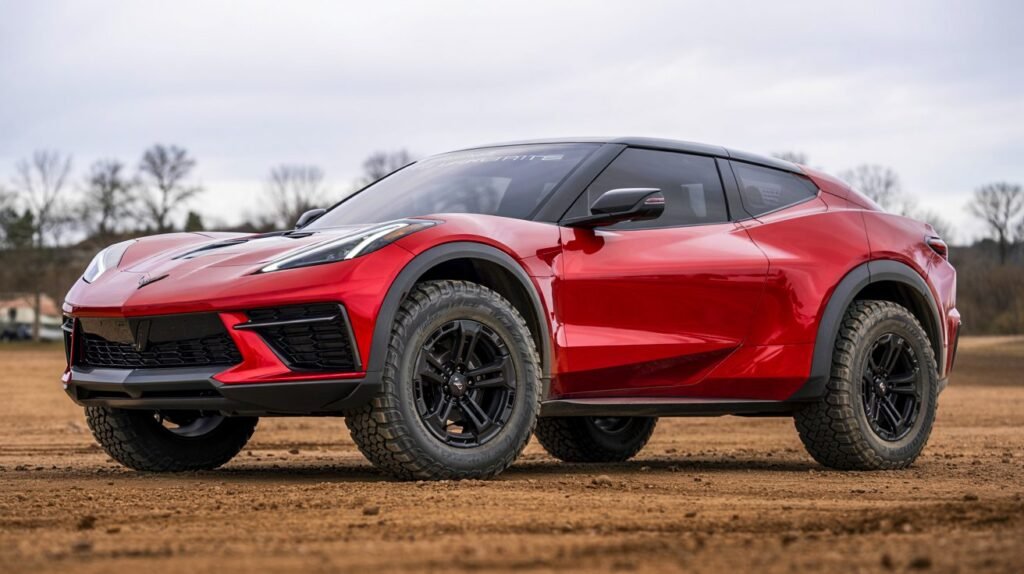
Auto Industry Updates 2025–2026-The automotive industry stands among the most critical pillars of the global economy. It touches manufacturing, technology, energy, trade, labour, and even urban planning. When a car is produced, it isn’t just a vehicle—it is the culmination of thousands of parts, hundreds of suppliers, software, logistics, regulatory frameworks, and consumer expectations. In essence, the auto industry is a mirror of how modern industrial ecosystems operate.
Yet today, the auto industry is undergoing change at a faster pace than many past decades. The convergence of electrification, digitalisation, shifting consumer behaviour, supply-chain stress, and global trade realignment is forcing automakers and suppliers to adapt or be left behind. For the period 2025-26, many analysts label this as a “pivot phase”—where decisions made now will determine winners and losers for the next decade.
In this article, we provide a comprehensive update on the auto industry globally and in India: what is happening, what the trends are, what the challenges are, and what stakeholders (manufacturers, buyers, policymakers) should watch. With detailed numbers, case-studies, strategic moves, and actionable insight, you’ll walk away with a clear sense of where the automotive world is heading—and how to position yourself accordingly.
Get Some Information about SUV & Sedan reviews 2025
Global Auto Industry Landscape-Auto Industry Updates 2025-2026
Production & Sales Performance Worldwide
Globally, light-vehicle production and sales have shown a mixed pattern of recovery and structural change. For instance, according to a recent S&P Global Mobility forecast, the light-vehicle production outlook for South Asia (which includes India) was upgraded by 29,000 units for 2025 and by 92,000 units for 2026. S&P Global In Europe, projections were adjusted downward slightly for 2025, reflecting regional challenges.
The takeaway: growth is resuming in many markets, but it is uneven, and the nature of “growth” is transforming (e.g., more EVs, fewer pure ICE vehicles).
From the consumer side, a major global study by Deloitte surveying more than 30,000 consumers across 30 countries revealed that interest in pure battery electric vehicles (BEVs) remains muted across many markets—even where subsidies are generous. Many consumers are instead showing more interest in hybrid or plug-in hybrids or value propositions that balance cost, range, infrastructure. Deloitte
This combination—moderate growth, structural change, evolving consumer preferences—sets the stage for what is happening in 2025-26.
Emerging Markets and Production Shifts
Emerging markets are playing a larger role. India, Southeast Asia, parts of Latin America are becoming more important not just for consumption but for production and exports. For example, many global OEMs are shifting manufacturing from China or complementing China with India, because of cost, trade risk, and localisation opportunities.
One result: India is attracting investment and becoming a manufacturing hub as its ecosystem matures. The production upgrades in South Asia noted above reflect this trend.
Another driver: trade realignment and supply-chain localisation. OEMs are reducing reliance on long chains subject to disruption and currency/geo-political risk.
Consumer Behaviour & Mobility Trends
Mobility is evolving beyond just “buy a vehicle, drive it for ten years”. Younger urban consumers are more comfortable with alternatives: ride-hailing, subscription models, mobility-as-a-service (MaaS). The Deloitte study noted that younger consumers in India, Southeast Asia and USA show interest in ownership alternatives. Deloitte
Also, brand-switching intentions are rising: customers are less loyal to legacy brands when new players (especially in EVs) offer compelling value or technology. Cost of ownership, connectivity, comfort, sustainability—all play bigger roles in purchase decisions now.
These shifts mean automakers must adjust strategy: not just produce cars, but provide mobility ecosystems, connectivity, upgradeability, and after-sales value.
Indian Auto Industry – Current State & Outlook
Key Statistics & Growth Markers for India
India continues to climb as an automotive powerhouse. According to the Society of Indian Automobile Manufacturers (SIAM), in FY 2024-25 the country produced 310.34 lakh units (i.e., 31.03 million) across passenger vehicles, commercial vehicles, three-wheelers, two-wheelers and quadricycles. India Brand Equity Foundation+1
Breaking it down: Two-wheelers dominate domestic volumes (~76.6% share) and passenger vehicles represent ~16.8% in FY25. India Brand Equity Foundation
Domestic sales show positive growth: domestic sales grew 7.3% in FY 2024-25, with passenger vehicles hitting their highest ever annual sales at 4.3 million units. Siam
Exports matter: Automobile exports rose 19% to over 5.3 million units in FY25. India Brand Equity Foundation+1
Together, these numbers indicate not just recovery but acceleration—and India’s embedded role in global auto supply-chains.
India’s Role in Global Value Chains and Manufacturing
India is increasingly embedded in global automotive value chains. A recent NITI Aayog / government document highlighted that the automotive sector is deeply connected to electronics, semiconductors, IoT and advanced manufacturing. NITI Aayog
Yet India’s share in high-precision components remains limited (e.g., in the traded automotive component market, India holds only ~3 % share). NITI Aayog
The implication: While India is growing vehicle manufacturing, there is scope (and challenge) to climb the value-chain: higher automation, localisation of critical components, and quality up-gradation.
Segment Evolution – Passenger Vehicles, Two-Wheelers, Commercial Vehicles
In India, passenger vehicles continue growth albeit modestly (4.3 million units in FY 25). Utility vehicles (UVs/SUVs) are key growth drivers—some data indicate UVs contributed ~65% of total PV sales, up from ~60%. Siam
Two-wheelers are registering stronger growth (~9.1% in FY25) driven by rural demand, new scooter models, and EV infiltration. Siam
Commercial vehicles were slightly down in FY25 (-1.2%), but growing exports are helping the segment. Siam
For stakeholders in India, the message is clear: volume is large, growth is there, but the nature of growth is shifting—towards SUVs, EVs, exports.
Major Trends Shaping the Auto Industry
Electrification and Hybrid Technology
Electrification remains one of the dominant shifts. Governments, OEMs and suppliers are all investing heavily in EVs, hybrids, batteries and charging infrastructure. In India, the EV market is projected to grow at a CAGR of ~36% between 2018 and 2026. India Brand Equity Foundation
Yet global consumer studies (Deloitte, Ipsos) show that consumers are still cautious: BEV inertia remains in many markets. Many buyers favour hybrids or value models that balance ICE + electrification. Deloitte+1
In India too, though EV registration is growing (e-PV registrations crossed 1 lakh units in FY25) Siam+1 the infrastructure, cost and range issues remain.
For the industry, this trend means: mass EV/ hybrid launches, modular platforms, battery-cost reduction, second-life battery strategies, and recalibrating value propositions for Indian consumers.
Connectivity, Software-Defined Vehicles, ADAS & Autonomy
Another fundamental trend is the shift from vehicle as a mechanical product to vehicle as a software-defined system. Features such as Over-The-Air (OTA) updates, connected services, infotainment, Advanced Driver Assistance Systems (ADAS) and autonomous driving capabilities are increasingly key. For example, research on Software-Defined Vehicles (SDVs) highlights growing cybersecurity, software modularity and V2X communication issues. arXiv
In practical terms, automakers must invest more in software, electronics and domain-control architecture, not just mechanical engineering. Consumers expect connectivity and recurring revenue streams (e.g., subscription services).
In India, especially, bridging the digital experience gap (among urban/rural, high/low income) will matter.
Supply-Chain Transformation and Localisation
The auto industry supply chain is under stress: semiconductor shortages, rare-earths constraints, logistics disruptions. For example, a shortage of rare-earth magnets caused Maruti Suzuki to cut its near-term EV production by two-thirds. Reuters
Manufacturers are responding by increasing localisation of parts, forming global supply-chain hubs (India among them), diversifying away from single-point dependencies, and investing in advanced manufacturing (Industry 4.0). The NITI document flagged doubling of semiconductor content per vehicle by 2030. NITI Aayog
For India, this means opportunity: to capture more component value-chain, attract investment, improve manufacturing quality and export. But it also means investing in skills, technology and ecosystem.
Sustainability, Regulation & Circular Economy
Regulatory demands—from emissions to safety to resource usage—are increasing. The automotive industry must contend with carbon-targets, lifecycle assessments, battery recycling and circularity. Reports from Ipsos and others stress “climate convergence” as a major trend. Ipsos
Also, consumer expectations of sustainability are growing, which influences brand reputation, product design and supply-chain sourcing. Automakers are increasingly emphasising green manufacturing, renewable energy in plants, and end-of-life vehicle recycling.
Market Challenges & Risks
Supply-Chain Disruptions
As mentioned, semiconductors, rare-earth materials, logistics and global trade disruptions pose major risks. Lower availability can delay model launches, raise costs, reduce margins. For example, Maruti’s EV plans were delayed due to rare-earths. Reuters
Manufacturers must build resilience: dual-sourcing, buffer inventories, localising components, and investment in critical material supply. For India, developing domestic rare-earth value chain, battery manufacturing etc becomes strategic.
Slow EV Adoption & Infrastructure Constraints
While EVs are touted as the future, in many markets adoption is slower than expected. Deloitte’s global consumer study found “BEV inertia remains muted” in many markets. Deloitte
Key constraining factors: charging infrastructure, consumer awareness, range anxiety, cost premium, resale uncertainty. For India, rural/urban divide and inconsistent infrastructure makes this bigger challenge.
Therefore, automakers and policymakers must coordinate: infrastructure build-out, incentive alignment, consumer education and cost-down of batteries.
Rising Competition and Consolidation
Automotive markets are getting crowded—not just OEMs but tech-firms, EV startups, mobility providers. Many companies anticipate major shake-out between 2025-27. For example, Xpeng’s CEO predicted an “elimination round” in the industry in that period. Business Insider
This means: only those with scale, technology differentiation, cost advantage and brand power are likely to survive long-term. For smaller players, niche strategies may be vital.
Policy & Regulatory Uncertainty, Global Trade Shifts
Trade policies (tariffs, export zones), subsidies, safety and emissions regulations all vary across geographies and change. For global automakers operating in India or exporting from India, shifting trade agreements, tax changes, or local policies can disrupt strategy.
For instance, India’s new automotive mission plan (see further below) will reshape incentive frameworks.
Manufacturers must stay agile, resilient and proactive in monitoring regulatory changes.
Spotlight on Strategic Moves & Case Studies
Investment and Manufacturing Hub Shifts (India Example)
India is increasingly becoming a manufacturing hub for global OEMs. In one major move, Japanese automakers Toyota, Honda and Suzuki announced over US$11 billion in investments to make India a key export base, shifting production away from China. Reuters
This strategic pivot reflects global supply-chain re-orientation. For India, this brings new technology, localisation opportunities and stronger manufacturing ecosystem. The effect? More vehicles built in India for global markets, higher volumes, and export growth.
New Entrant / EV Push: VinFast in India
The Vietnamese EV maker VinFast has launched production in Tamil Nadu with an initial plant capacity of 50,000 units annually (expandable to 150,000). AP News+1
This investment signals the rising attractiveness of India’s EV market and manufacturing base. For Indian auto-industry watchers, this case shows: international new-entrants see India not just for consumption but for production and exports. The ecosystem implications (jobs, suppliers, localisation) are significant.
Global Consumer Study & Changing Behaviour
Deloitte’s “2025 Global Automotive Consumer Study” found key trends:
- BEV interest remains muted in many markets; hybrids gaining traction. Deloitte
- Brand-switching intention is rising: younger consumers less loyal.
- Autonomous vehicle interest is returning but safety/trust remain issues.
For automakers, this means product strategy must engage new buyer segments, emphasise flexibility (hybrid + BEV), build brand trust and deliver connected experiences.
Software-Defined Vehicles & Component Industry Case
As vehicles become “rolling computers”, cybersecurity and software again become critical. A recent academic survey on Software-Defined Vehicles (SDVs) highlighted the growing privacy/security risks, OTA update challenges and software-hardware integration issues. arXiv
For the automotive industry, this suggests a pivot: vehicles are no longer purely mechanical; they demand software engineering, electronics, cybersecurity, data-analytics and new supplier ecosystems. The legacy component industry must adapt.
What This Means for Stakeholders
For Automakers & Suppliers
- Automakers must transform: modular architectures, EV/hybrid platforms, connected services, flexible manufacturing.
- Suppliers must upgrade: from traditional mechanical bits to electronics, software, sensors, battery packs or modules. India’s component industry must climb value-chain. NITI Aayog
- Speed matters: launches, localisation, cost-reduction, agile supply chains will decide competitive advantage.
- Global scale matters: serving export markets, diversifying risk, leveraging emerging markets.
For Consumers and Car Buyers
- More choice: With new launches, EV options, hybrid options and connected features are improving.
- Evaluate beyond price: Consider running cost, service network, software/services, resale value, infrastructure (especially for EVs).
- Be aware of brand shifts: With competition rising, value might go up, but so will variant complexity and upgrade cycles.
- For India: Mark regional service/support. If you live outside metros (e.g., Ludhiana/Punjab), local network matters.
For Investors and Policymakers
- Investment focus: Battery manufacturing, charging infrastructure, semiconductors, software, localisation. India is a key geographic focus.
- Policy levers: Incentives for EVs, localisation, export promotion (e.g., India’s mission plans) will shape the next wave.
- Risks: Supply-chain bottlenecks, global trade wars, material availability (rare-earths, lithium) pose risk.
For the Indian Regional Ecosystem
- Regional manufacturing hubs (Tamil Nadu, Gujarat, Maharashtra etc) are attracting OEM and supplier investments.
- Job creation: EV and component expansion promise jobs, but also require skilled workforce in electronics, software.
- Export orientation: India is increasingly building vehicles/components for global markets (Latin America, Africa, MENA).
- For smaller towns/cities: service-network investment, aftermarket ecosystems (repairs, parts) will become differentiators.
Conclusion
The automotive industry heading into 2025-26 is at a cusp of transformation—not just incremental change but structural change. Automakers and suppliers that navigate electrification, connectivity, supply-chain resilience, shifting consumer behaviour and global trade shifts will create the winning blueprints for the future.
For India especially, the opportunity is large: given its volume potential, manufacturing base, export ambitions and evolving consumer market. But this is also a moment of competition and change. Being informed, agile and strategic matters.
Whether you are a car buyer, industry professional, investor or policymaker, the updates unfolding now are far more than headlines—they will shape vehicles, mobility habits and industry strength for years to come.
Keep watching: new launches, supply-chain pivots, EV ecosystem expansions and policy announcements. The journey ahead is challenging—but also full of exciting potential.
Let’s buckle up for the ride.
Latest auto industry news and updates

Toyota, Honda turn India into car production hub in pivot away from China
Vietnam automaker VinFast opens factory in India, eyeing growth in Asia
India’s Maruti Suzuki cuts near-term EV production amid rare earths crisis
