


Introduction
Buying a car in India in 2025 has become more complex than ever before. Gone are the days when you simply compared two cars by price and picked the cheaper one. Today’s Indian car buyer must juggle several factors: what the on-road price is in their city, what features are included at that price, how those features stack up across rivals, and how future proof the vehicle is (fuel type, connectivity, safety).
In this guide we are going to deep-dive into price & features comparison of cars in India for 2025. We’ll explore what “price” really means (ex-showroom, on-road, cost of ownership), what features matter today (safety tech, connectivity, hybrid/EV readiness), how the market in India is evolving, how to compare properly, and walk through case studies of real models. By the end of this extensive piece you’ll be equipped to compare two or more cars side by side, understand where your budget gets you, and make a choice that is both smart and aligned to your needs.
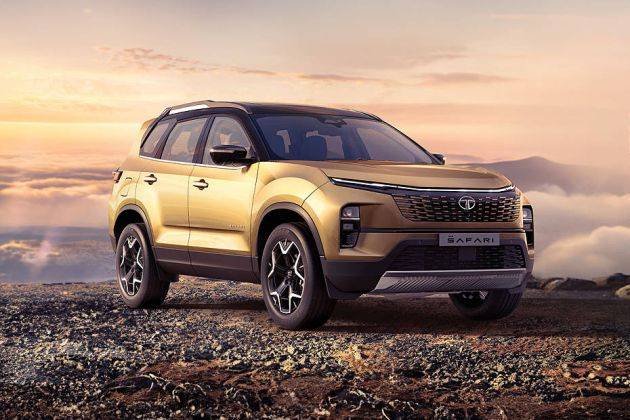
H2: The Indian Car Market Landscape in 2025
H3: Current pricing trends & typical ranges for hatchbacks, sedans, SUVs
In 2025, the Indian car market spans a huge price spectrum. According to CarWale’s listing of new cars in India 2025, we see a range from small hatchbacks with estimated starting prices of ~₹5–7 lakh, to SUVs and premium cars running into ₹30 lakh and above. CarWale+1 For example, as per CarWale: “Top Hatchbacks in India … Maruti Baleno Rs 6.58 lakh onwards” (ex-showroom estimated) in 2025. CarWale
Understanding typical price bands helps you benchmark your budget. For example:
- Under ~₹10 lakh: entry hatchbacks, compact city cars
- ~₹10-17 lakh: mid-hatchbacks, compact sedans, basic SUVs
- ~₹17-30 lakh: compact/midsize SUVs, premium sedans
- ₹30 lakh: luxury cars, high-end SUVs, EVs with big range
H3: Impact of tax & regulatory changes on car pricing
Car pricing in India is influenced not just by manufacturer cost/markup but by tax regimes, subsidies, regulatory changes and global commodity costs. For example, in 2025 several reports show price reductions thanks to GST changes, as well as price hikes due to raw material cost increases. For instance: “GST cut: See revised prices of Maruti, Hyundai…” notes savings across segments. The Economic Times On the flip side, Maruti Suzuki India announced price hikes of up to 4% in April 2025 attributed to rising raw material costs. Reuters
For buyers, this means that the effective price you pay may vary significantly region to region and timing matters. A model’s price today may differ by a few thousand rupees (or more) compared to a few months ago.
H3: Feature trends in 2025: from connectivity & ADAS to EV features
In 2025 features have leapt ahead. Key feature-trends include:
- Advanced driver-assistance systems (ADAS) such as lane-keep assist, adaptive cruise control even in non-luxury segments.
- Connectivity and infotainment: large touchscreens, smartphone integration (Apple CarPlay/Android Auto), over-the-air updates.
- Hybrid/EV readiness: As more EVs launch and hybrid tech penetrates, features around battery, range display, regenerative braking are becoming standard in higher variants.
- Safety upgrades: More airbags, stronger crash structures, tyre pressure monitoring, electronic stability control which were once optional are now increasingly standard.
- Premium comfort touches: Sunroof, ventilated seats, premium audio in more affordable segments.
These feature advances mean that two cars with similar price tags might differ dramatically in what they offer—making feature comparison essential.
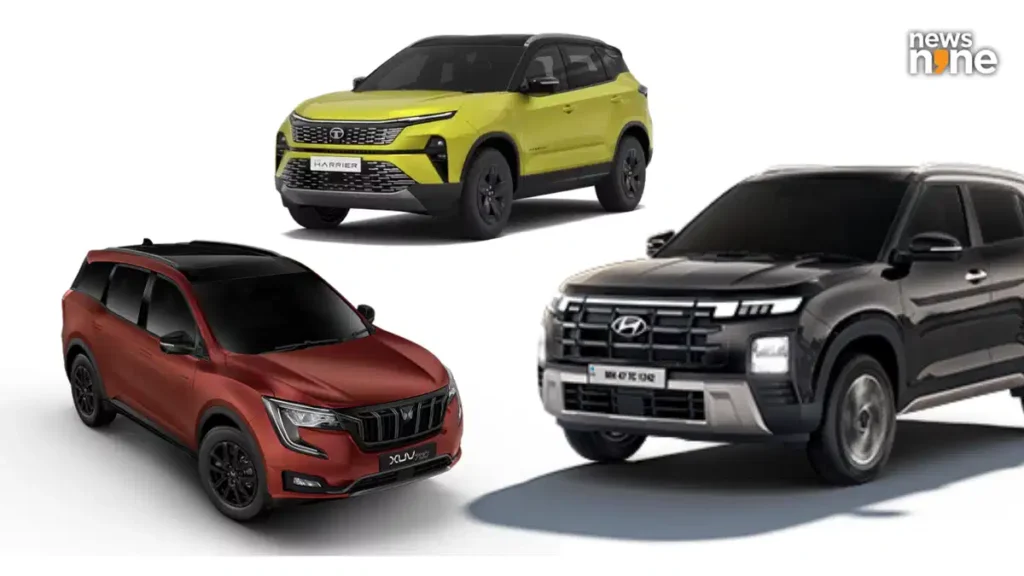
H3: Why comparing price & features side by side is vital for smart buying
Because of wide variation in what you “get” for a given price, simply picking the lowest priced model may not deliver best value. If Car A costs ₹10 lakh but has fewer features, lower safety spec, smaller boot compared to Car B at ₹11 lakh which packs more features, Car B might offer better value. Similarly, two cars at the ₹18 lakh mark might differ in warranty, maintenance inclusions, connectivity, brand trust.
Hence, a price vs features comparison is not optional—it is central to smart car buying in 2025 India.
H2: How to Compare Car Prices Properly-Price & Features Comparison 2025
H3: Understanding ex-showroom vs on-road cost vs total cost of ownership
When you look at price, keep in mind:
- Ex-showroom price: the price of car excluding registration, taxes, delivery, accessories.
- On-road price: includes RTO registration, insurance, delivery, sometimes accessories. This is what you actually pay at delivery.
Using CarWale’s compare tool you can see “Hyundai Venue Rs. 9.01 lakh onwards vs Kia Sonet Rs. 8.37 lakh onwards”. CarWale - Total cost of ownership (TCO): includes fuel/energy cost, service, tyres, depreciation over years. Price alone is not enough.
For a meaningful comparison, always start with on-road cost in your city + look at what features are included at that variant. Two cars at “₹12 lakh” may have very different inclusions.
H3: Variants, trim levels and their effect on price & features
Within each model there are multiple variants: base, mid, premium, sporty. Features differ: engine, transmission, wheels, tech, safety. When comparing two models, ensure you compare equivalent variants—for example both mid-variants with AT transmission, or both top-variants. Otherwise price-vs-feature comparison will mislead.
H3: How feature lists influence price jumps: example features
Some features cause big jumps in price—examples:
- Automatic transmission vs manual.
- Turbo engine vs naturally aspirated engine.
- ADAS suite vs basic safety.
- Sunroof/panoramic roof vs standard roof.
- Leather seats and premium audio vs basic upholstery.
When comparing cars, identify the “must-have” features for you, mark “nice-to-have” and check how much extra they cost. A smart buyer will decide: do I need the sunroof and premium audio or would I rather take a lower variant and invest the savings somewhere else?
Get Some Information about SUV & Sedan reviews 2025
H3: Hidden costs: extras, registration, insurance, accessories, dealer mark-up
Some costs are not headline on price lists:
- Accessories and on-road add-ons: alloy wheels, body graphics, upgraded audio—often cost extra.
- Dealer mark-up or “premium” for colour or variant.
- Insurance premium: Top variants with more value cost higher insurance.
- Registration & state taxes: Vary by state & engine size/fuel type.
For your comparison, make sure you include “real delivery cost” in your budget.
H2: Price-&-Feature Comparison by Segment-Price & Features Comparison 2025
H3: Entry-level hatchbacks (under ~₹ 7-10 lakh)
In this budget band your key aim often is cost-effective mobility. Price is critical; features more limited. Typical examples: hatchbacks priced from ~₹5.5 lakh to ~₹8 lakh. (See ZigWheels listing: Tata Punch Rs 5.50 lakh etc) ZigWheels.com
Features you might expect: basic safety (dual airbags, ABS), infotainment, small-engine petrol, manual transmission. If you want upgraded features (sunroof, ADAS), expect to move up in price.
Thus in this band: comparison should check: what engine/fuel type, what safety features, what connectivity features, and whether you pay extra for those.
H3: Mid-segment hatchbacks / compact sedans (~₹ 10-17 lakh)
This segment sees more options and bigger feature sets. Cars in ₹10-17 lakh band may include premium features (sunroof, large screen, ADAS), better engines (turbo or hybrid) and more space.
Price difference may be ₹1-2 lakh between virtually equal models, but features may differ substantially. The buyer here should compare price & features carefully: Are you getting genuine ADAS or just “Cruise Control”? Are you getting genuine brand-sized infotainment or just a small screen? The price you pay should reflect what features come.
For example, you might compare two compact sedans: Car A at ₹11 lakh with manual and standard features vs Car B at ₹12.5 lakh with automatic, sunroof, ADAS. If your usage is mostly city/manual, Car A might be better value.
H3: Compact SUVs / mid-sized cars (~₹ 17-30 lakh)
SUVs are extremely popular in India and this price segment (₹17-30 lakh) is highly contested. Here price & features vary widely. You’ll find cars with turbo petrol + AWD + premium features costing ~₹30 lakh, and some base variants around ₹17-18 lakh.
Features matter a lot: larger infotainment, premium finishes, leather seats, ventilated seats, sunroof, more airbags, stronger engines, ADAS, connectivity.
Comparison should centre on: does the higher price variant actually give you features that matter? Are you paying for “SUV-look” vs genuine utility (boot space, ground clearance, service network)?
A smart buyer will compare price vs features: Are you better off taking a base SUV variant and spending difference on features/accessories you value?
H3: Premium / luxury segment (>₹ 30 lakh)
In this bracket, price jumps become steeper for even small feature additions. Premium materials, performance engines, luxury amenities, big infotainment, full ADAS suite, luxury brand value all add up. For example, luxury brands may cut price by lakhs because of tax changes (see GST article). The Economic Times
When comparing here, features such as brand cachet, service experience, brand-specific features (connected car, concierge) become as important as raw list. Price vs features in this band means you evaluate value proposition rather than just absolute cost. Are you just paying extra for badge or are you getting more usable value?
For most buyers in India, this segment demands careful comparison and clear purpose (luxury, performance, status, comfort).
H2: Case Studies: Real Car Models & Their Price vs Features in 2025
In this section we illustrate through examples to bring concrete clarity to price vs features trade-offs.
H3: Example Model 1 – Value Hatchback
Consider an entry hatch launched in 2025 at starting ex-showroom price ~₹6.5 lakh. Let’s call it Car H. The base variant includes dual airbags, ABS, touchscreen infotainment but manual transmission, basic upholstery, no sunroof. The higher variant at ~₹8.2 lakh includes automatic, sunroof, premium audio and a partial ADAS mini-package.
Feature comparison: If you are city commuter, manual + basic features may suffice. Paying extra for automatic + sunroof might offer fun but may not add functional value for your usage. Thus comparing price vs features helps you decide which variant is right.
Real life: Buyers of this segment often skip features like sunroof to save labour cost and fuel consumption.
(Image prompt below).
H3: Example Model 2 – Mid-Hatch / Compact Sedan
Car S is a compact sedan launched in 2025, price starting ₹10.9 lakh (manual), higher variant ₹14.3 lakh (automatic + turbo engine + ADAS + sunroof). The mid‐variant at ₹12.5 lakh has automatic + premium audio but no ADAS.
Feature vs price trade-off: Do you need the turbo + ADAS? If your usage is urban commute and occasional highway, the mid variant may deliver best value. If you frequently drive highways or want sportier drive, the higher variant may be justified.
This model illustrates how both price and features must align with your usage—not just premium badge.
H3: Example Model 3 – Compact SUV-Price & Features Comparison 2025
Car U is a compact SUV launched in 2025 with starting ex-showroom ~₹18 lakh. The “deluxe” variant at ~₹22 lakh adds larger engine, dual-tone paint, panoramic sunroof, full ADAS suite, ventilated seats, six airbags.
Feature vs price trade-off: If your family uses it for frequent weekend trips, long drives, want comfort and features, the deluxe variant may provide value. But if you mostly use city, short distance, the base or mid-variant may be smarter. The incremental cost of features might have more value than just cosmetic upgrades.
Real buyer story: A family that bought the base variant saved ~₹4 lakh, installed few accessories they used, and felt the features they skipped (sunroof, ventilated seats) didn’t matter for their city usage.
This case emphasises you must evaluate how much you will use those features.
H3: Example Model 4 – Premium / Luxury Model
Car L is a premium model with price ~₹32 lakh starting. Top variant ~₹38 lakh includes premium leather, full ADAS, performance engine, brand luxury features. Some buyers pay ~₹6 lakh extra for luxury finishes and badge, not necessarily extra functional features (for example daily usage may not exploit high performance).
Feature vs price trade-off: If you’re driven by status, luxury, brand, then top variant makes sense. If you’re pragmatic, you might choose base/lower variant of the same model or a rival with more features per rupee. Price vs features comparison here becomes about “value per rupee” and lifestyle alignment.
For many Indian buyers this segment demands strong justification for each lakh spent.
H2: Feature Checklist: Which Features Should You Look For at Each Price-Point
H3: Safety & driver-assistance features
Regardless of budget, safety should be non-negotiable. Key features:
- Dual airbags (minimum) + side/curtain airbags in higher variants
- ABS + EBD (standard in most) and ideally ESC (Electronic Stability Control)
- ADAS (lane position, automatic emergency braking, adaptive cruise) where available
- Strong crash-test ratings (Global NCAP, Bharat NCAP)
When comparing two cars of similar price, a model with full safety suite offers better long-term value—even if price is slightly higher.
H3: Connectivity & infotainment
Increasingly important for Indian buyers:
- Large touchscreen (8-10″ or more), mobile integration (Android Auto/Apple CarPlay)
- Digital instrument cluster / heads-up display in premium segments
- Over-the-air updates, connected-car features (remote start, tracking) in higher variants
When comparing price vs features, these tech features may add cost but also future-proof your purchase.
H3: Comfort & convenience features
What makes daily driving enjoyable:
- Seats: good ergonomics, adjustability, ventilated/heated in premium trims
- Climate control: automatic AC, rear AC vents in SUVs
- Sunroof/panoramic roof, ambient lighting, premium audio
- Boot space, rear-seat room, quality of materials
These features may not be “essential” for some buyers, but comparing how much you get for the price matters.
H3: Fuel/energy type & drivetrain features
Price & features increasingly reflect powertrain:
- Petrol vs diesel vs CNG vs hybrid vs EV. A hybrid or EV variant may cost more but bring additional features (battery display, regenerative braking)
- Transmission: manual vs automatic vs dual-clutch vs CVT – automatic adds cost but adds convenience
- Drivetrain extras: all-wheel drive or sport mode cost more
In your comparison, if you pay a lot more for a hybrid/EV, ensure you get the features and usage to extract value.
H3: Resale value, brand value & service network as “features”
Beyond the car’s built-in features, these intangible features affect value:
- Brand reputation, service network, availability of parts
- Model popularity influences resale value
These should be factored when comparing price vs features: a slightly costlier car from a trusted brand with strong network may offer better long-term value.
H2: Final Thoughts – How to Get Maximum Value from Your Budget
H3: Strategy for balancing price vs features for your usage & budget
Start with your budget, then list your must-have features, nice-to-have features, and features you can skip. Map cars/variants accordingly. Use comparison tools (CarWale, Autocar India) to narrow down models with best feature-price match. For example, CarWale’s compare tool helps see features + price side by side. CarWale
H3: When to stretch budget for extra features vs when to prioritise core necessities
If you drive long distances, value comfort & features, then stretching budget for higher variant may pay off. If your usage is city/short distance, you may prioritise core features (safety, connectivity) and skip extras (sunroof, premium audio) and buy lower variant.
As example: In case studies above, buyers who understood usage saved lakhs.
H3: Tips for negotiating features, variants and understanding feature-price jump
- Check incremental cost of each feature (e.g., automatic gearbox + sunroof + ADAS cost X lakhs more)
- Consider accessory bundles rather than factory fit if possible
- Check offers/discounts (price cuts due to tax changes, e.g., GST revisions) which affect effective price. The Economic Times+1
- Time purchase at period where manufacturer offers make “premium features” more affordable.
H3: Moving forward: how feature expectations may shift in next 2-3 years
In the next few years we expect: more standard ADAS even in lower segments, connected car features becoming basic, EV/hybrid features penetrating mid-segments, price compression due to tech maturity. So if you buy today, you might want to consider future-proof features.
Thus comprehensive comparison today gives you better value and longer satisfaction.
Conclusion
In the complex Indian car market of 2025, comparing price & features is not optional—it’s essential. To recap:
- Understand what you need and how you will use the car.
- Look beyond base price to on-road price and variant features.
- Compare cars in your budget band and ensure you compare equivalent variants.
- Prioritise safety, connectivity and practicality features; accessories can come later.
- Use case studies and comparison tools to evaluate value per rupee.
- Balance brand, service network, resale value as features in themselves.
- Use negotiation, timing and smart variant selection to extract maximum value.
If you take away one thing: the best car for your budget isn’t always the one with the lowest price, but the one where price, features and your usage align. Use the comparison mindset, keep your needs front and centre, and you’ll make a purchase you’ll enjoy for years. Happy car hunting!