


Introduction
Upcoming Car Launch: New Models & Key Highlights-India’s automotive market is in the midst of a fascinating transformation. In 2026, car buyers in India — whether in metros like Delhi, Mumbai, Bangalore, or tier-2/3 cities like Ludhiana (Punjab) — will see a wave of new models across price bands, powertrains, body-types and technology levels. From compact hatchbacks and value SUVs to premium electric vehicles (EVs) and even pickups, 2026 promises to be a watershed year for launches.
Why is 2026 especially significant? Firstly, global trends and India’s policy push (for safety, electrification and localisation) are converging. Car-makers are aligning global platforms with Indian markets. Secondly, consumer expectations have evolved — buyers now expect better tech, stronger safety, and cleaner (including EV) options even in “budget” segments. Thirdly, pricing pressures and competition are high; the better buyer today can use 2026 launches to extract value.
For anyone planning to buy a car in 2026 (or shortly afterward), this guide will map out what to expect: major launches, segment-trends, pricing, how to evaluate them, and key cautions. Let’s dive in.
Get Some Information about SUV & Sedan reviews 2025
Market Context & Trends
India auto-industry backdrop
The Indian passenger vehicle market has shown resilient growth, with domestic and global brands expanding their local investments. With rising incomes, young demographics, and increasing vehicle-penetration outside metros, the appetite for new cars remains strong. At the same time, the push towards cleaner mobility (especially in major states) means manufacturers are gearing up for more EVs and hybrids.
Policy design also matters: safety regulations (like mandatory crash testing), localisation requirements, and incentives for EVs/clean mobility shape which models come when. For 2026, many models appearing are already tweaked for India or built on global platforms localised here.
Rise of SUVs, crossovers, EVs
Over the past decade, SUVs and crossovers have dominated growth. Buyers who once considered sedans or compact hatchbacks are increasingly migrating to SUVs. The growth of compact SUVs (price bands around ₹10 lakh-25 lakh) is especially strong in cities and semi-urban India.
Parallel to this, EVs are no longer fringe. While still a smaller share of total vehicles, several manufacturers have announced EV line-ups targeting Indian conditions (charging infrastructure, range, price). Thus, 2026 launches are as much about new body-types as about new powertrains.
Consumer behaviour in India
In India, buyers often consider multiple factors: upfront price, running cost, service network, resale value, local road/traffic conditions. For example, in Punjab/Ludhiana, where roads may include highways + rural stretches, robustness (engine, ground clearance, serviceability) often matter more than premium gadgets. For 2026 models, these aspects remain critical.
Because of the intense competition, brands aim to deliver strong features at aggressive pricing — giving buyers more bargaining power. So while the launch-hype is high, you as a buyer should look below the surface: which variant, what features, what service network, what total cost of ownership.
Key Segments to Watch in 2026
Mass-market hatchbacks & compact cars
Despite the SUV boom, hatchbacks and compact cars remain crucial for many Indian buyers — especially first-time car buyers, urban apartment dwellers, and cost-sensitive buyers. In 2026, expect new iterations of popular models (e.g., Maruti Baleno 2026) refined for safety, features and perhaps early electrification/hybrid options. The value proposition here will be key: able to offer modern features at sub-₹10-15 lakh.
Compact SUVs & sub-₹10-20 lakh segment
This is where the bulk of volume lies. Cars in the ₹8-20 lakh range, with strong features and SUV styling (even if compact), will dominate launches in 2026. With increasing urbanisation and willingness to pay for style + features, manufacturers will bring new models and facelifts. The earlier list shows models like Mahindra Vision X Compact SUV. CarWale+1
These launches will also force existing models to improve or drop in price — meaning buyers may have excellent choices. Also, local manufacturing and localisation will help maintain competitive pricing.
Premium / luxury launches (₹20 lakh+)
For buyers looking beyond value volume models, the premium segment is also heating up. This includes larger SUVs, luxury EVs, and models imported or locally built but with strong feature sets. For 2026, expect facelifts of models like Hyundai Tucson 2026 (premium SUV) and even flagship EVs (Hyundai Ioniq 6). CarWale
For buyers in cities or looking for “next car” upgrades, 2026 will bring compelling choices.
Electric vehicles (EVs) and hybrid vehicles
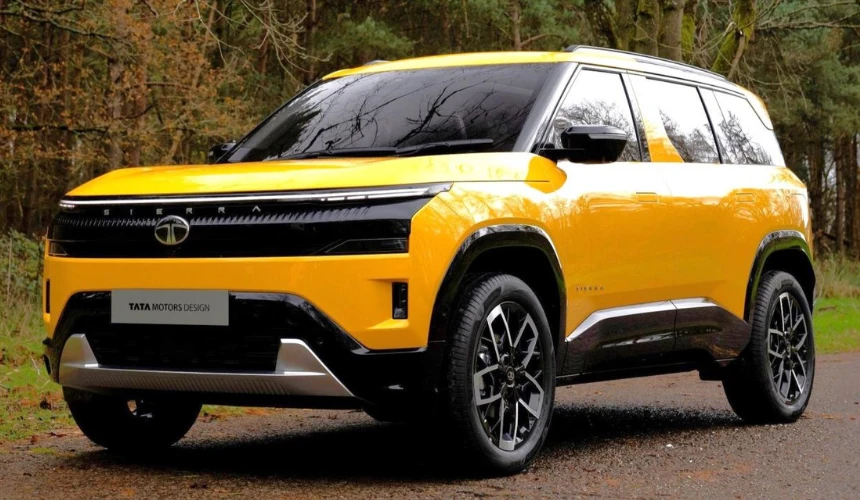
The transition to EVs in India is still gradual, but 2026 is positioned as an important inflection point. Many upcoming launches list EV/hybrid options and marketing emphasises range, features and ecosystem (charging infrastructure). For instance, Tata Sierra EV (₹20 lakh-ish) is in upcoming list. CarDekho
Consumers must evaluate not just “car price” but also “charging network, battery performance, resale value of EVs, cost of running”. For 2026, EVs are more mainstream than ever.
Ten Most Anticipated Car Launches in India 2026
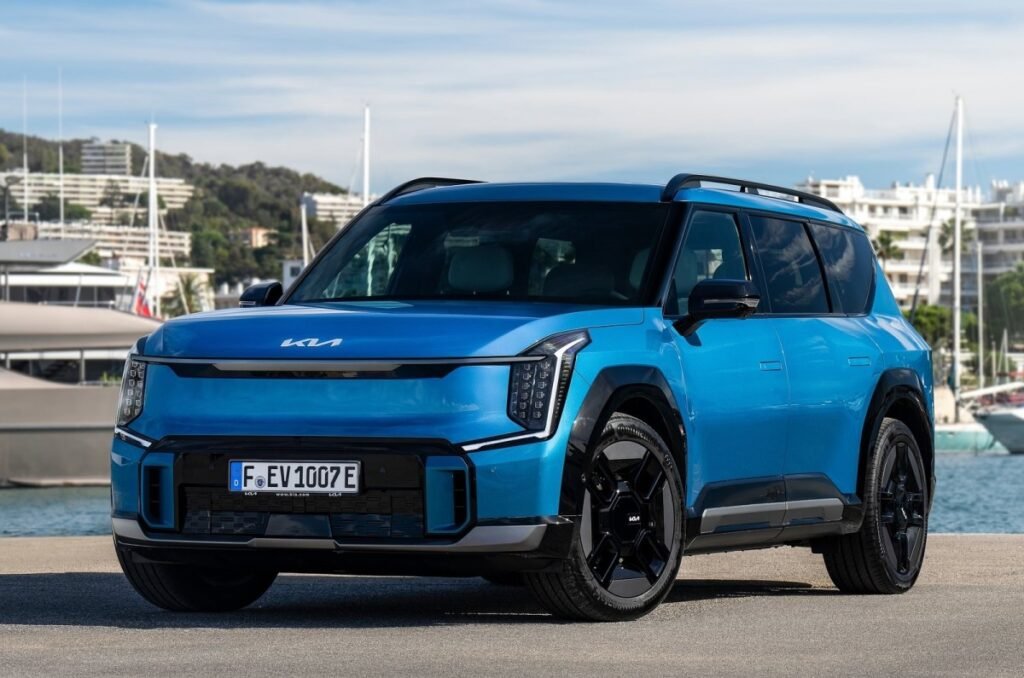
Here we unpack ten major models possibly launching in 2026, across segments, with what they bring and why you should care. Prices are estimates and subject to change.
Nissan Tekton
Expected mid-2026 launch, India. This is a mid-sized SUV from Nissan, based on the global Dacia/CMF-B LS platform, likely to compete with Hyundai Creta, Kia Seltos, Maruti Victoris. Wikipedia
Why it matters: Nissan has been comparatively quiet in India’s volume segments; Tekton could mark a re-entry into strong volume territory. If priced aggressively, it could deliver strong value. For buyers waiting for a “fresh” SUV not from the usual suspects, this could be it. It also emphasises localisation and exports (so better volume economies).
What to check: engine options, transmission, features (ADAS), service network and spare parts cost. Early bookings may offer discounts, but wait for reviews post launch.
Maruti Baleno 2026
The next-gen hatchback from Maruti Suzuki — currently one of India’s top selling hatchbacks — is expected in 2026. CarDekho
Why it matters: Baleno has been a benchmark in its segment. The 2026 version may bring better features, increased safety (ABS, airbags, crash norms), hybrid variant perhaps. Buyer that want a reliable city car with strong resale value should keep an eye.
What to check: cost of ownership (fuel/maintenance), interior space, cabin features, local dealership service in your city (like Ludhiana).
Hyundai 2026 Verna
Mid-sedan from Hyundai refreshed for India 2026. CarWale
Why it matters: Sedan segment is under pressure (SUVs eating share), but there remains a niche for buyers who prefer a trunk, sleeker styling and better ride comfort. Verna gives that. For someone upgrading from city car to something more premium but still within ₹12-18 lakh band (estimate), Verna 2026 could be a sweet spot.
What to check: features vs SUV rival, update in infotainment/tech, ride & handling improvements, pricing.
Mahindra Vision X Compact SUV
From Mahindra, a compact SUV expected in 2026 in the ₹11-18 lakh band roughly. CarWale+1
Why it matters: Mahindra is known more for larger SUVs and off-road credentials; a strong compact offering could help city buyers and younger first-time SUV buyers. Price band is important.
What to check: build quality, features, after-sales support in smaller towns, fuel economy.
Tata Sierra EV
Electric vehicle from Tata Motors in 2026 timeframe. CarDekho
Why it matters: Tata’s EV push is strong, and Sierra EV could bring EV capability to a more mass-market price band. For those thinking of moving to EV now rather than waiting, this could be an option.
What to check: real-world range, charging ecosystem (especially outside metros), battery warranty, total cost of ownership, resale value of EVs in India.
Hyundai Tucson Facelift 2026
Premium SUV facelift by Hyundai India slated for 2026. CarWale
Why it matters: For buyers looking for premium but not ultra-luxury (~₹30-40 lakh maybe), the Tucson facelift may bring updates in styling, features, connectivity, maybe hybrid/plug-in version.
What to check: upgraded features vs old version (worth the wait or buy now?), service cost, warranty, long term reliability.
Mahindra Global Pick Up
A pickup truck offering from Mahindra in 2026 in India. CarDekho
Why it matters: Pickup trucks are niche but growing in India (rural, commercial, adventure usage). For buyers who need more utility than SUV or run small business, this is an interesting option.
What to check: after sales/spare parts in India, fuel economy, usage suitability, load carrying capability.
Renault New Duster 2026
Next generation of the popular SUV from Renault. CarWale+1
Why it matters: Duster has been strong value for money; new version may bring improved features and tech. For someone who wants SUV but is value-conscious, this could be on radar.
What to check: engine options, local manufacturing/service network, update vs current Duster.
Hyundai Ioniq 6 India 2026
EV flagship from Hyundai India launching 2026. CarWale
Why it matters: For premium EV buyers, this is one to watch. Offers future-oriented tech, brand premium, perhaps export/flagship vibe adopted locally.
What to check: price premium vs value, local charging ecosystem, after-sales cost, battery care.
Skoda Entry-Level Small SUV (2026)
A new small SUV from Skoda (Volkswagen Group) aimed at cost-conscious buyers in India, launch in 2026. Reuters
Why it matters: Skoda is trying to expand share in India; a smaller SUV could deliver strong features and Volkswagen-Group build at a more accessible price point. For buyers wanting “premium brand feel” without ultra-premium cost, this is interesting.
What to check: local availability, service/spare parts, model positioning (compared to Tata/Hyundai), actual pricing.
What These Launches Mean for Consumers
Pricing pressure and value for money
With so many launches across segments, car-makers will need to compete aggressively on pricing and specs. For buyers, this means better value and more features for the same money. For example, if Skoda introduces a smaller SUV, older models may see price drops or discounts. Similarly, if Tata Sierra EV enters mass band, existing EVs may face competition.
Technology & safety upgrades
Many upcoming launches emphasise higher feature content: ADAS (Advanced Driver-Assistance Systems), connected car technology, stronger safety structures, updated infotainment, EV/hybrid powertrains. For Indian buyers, this is good — the trick is verifying in the specific variant you buy.
Impact on resale value and existing ownership
If a new version of a model is launching (e.g., Baleno 2026, Verna 2026), owners of previous gen might see quicker depreciation or discover inventory discounts. On the flip side, launching early can get you early-bird advantages and stronger resale position if you pick a new model.
Buying Tips for 2026 Launches
Pre-booking wisely
Many of these launches may take pre-bookings. But pre-booking does not always guarantee best pricing; sometimes early-bird offers or festive discounts may arrive. Consider waiting for the first batch of reviews and maybe small price drops.
Evaluating variants
Don’t assume the top variant is always best value. For example, if the compact SUV you consider has a mid-variant with nearly all features you need, go for that rather than top. Check engine vs EV/hybrid trade-offs. Battery EVs look shiny but check range, charging infrastructure in your area.
Checking service network
If you live outside metro areas (like Ludhiana, Punjab), check whether the brand/model has good service/spare parts presence locally. A premium/more niche brand might have fewer outlets in smaller towns. That may cost more later in maintenance/resale.
Considering total cost of ownership
Running cost (fuel/EV charging), insurance, depreciation, spare parts — all matter. For example an EV may charge well but if charging infrastructure is weak in your city or highway ranges are limited, it may cost more in time/inconvenience. Also, older battery resale value is uncertain.
Potential Risks & Things to Watch
Supply-chain delays / global chip shortage
Even though 2026 is a bit ahead, global supply chains (semiconductors, batteries, localisation materials) can affect launch timelines and prices. If a model is delayed, you may wait longer than expected.
Launch price vs final cost
Often, “expected price” is cited during teaser stage, but actual ex-showroom may be higher due to taxes, localisation, variants. Budget accordingly.
After-sales/service infrastructure for new models
Especially for newer brands or models with EV/hybrid powertrains, the service network may not be widespread. Early adopters may face waiting list for spare parts or limited support.
Pace of EV charging infrastructure
If you are buying an EV launch in India 2026 (like Sierra EV or Ioniq 6), check your region’s charging network. If you are outside metro (e.g., Ludhiana, Punjab), support may be slower at first. Consider home-charging setup, range anxiety.
Conclusion
2026 is set to be a landmark year for car launches in India. With models spanning hatchbacks, compact SUVs, premium vehicles, EVs and pickups, Indian car-buyers have more choice than ever. But choice also means you need to be informed: understand the segment, evaluate the model, check supporting ecosystem, and align with your budget and usage.
To summarise:
- Stay updated on launch announcements — for example Nissan Tekton, Maruti Baleno 2026, Tata Sierra EV and others discussed above.
- Don’t rush purely because it’s “new” — wait for first reviews, check total cost of ownership.
- Align your buying decision with your city/usage: running cost, service network, variant features matter greatly (especially outside metro areas).
- Use this wave of launches to your advantage — value for money is likely to improve, but smart buyers will benefit most.
Also go through Wikipedia
